






How to Help Elderly Get In and Out of Bed Safely
To help an elderly person get out of bed safely:
(1) Raise the head of the bed to a seated position,
(2) Roll them onto their side facing the bed edge,
(3) Swing legs off while pushing up with arms.
An adjustable bed makes steps 1-2 automatic, dramatically reducing caregiver strain and fall risk.
Why This Matters for Seniors and Caregivers
Falls during bed transfers cause approximately 50% of all fall-related injuries in elderly Singaporeans. The moment of greatest vulnerability occurs when moving from lying to standing—a transition requiring coordination, strength, and balance that decline significantly with age. For family caregivers managing aging parents in Singapore's HDB flats, improper transfer techniques cause occupational back injuries at alarming rates, with 30% of family caregivers experiencing chronic pain.
Safe transfer techniques protect both the elderly person and the caregiver. Proper body mechanics prevent caregiver back injuries, while structured procedures reduce the senior's fall risk by up to 70%. Beyond physical safety, mastering these techniques preserves elderly dignity and independence. A senior who can safely transfer with minimal assistance maintains confidence and autonomy, critical factors for healthy aging in place.
Singapore's demographic shift means more adults are simultaneously managing aging parents and young children. Efficient, injury-free transfer techniques become essential for household functioning and long-term caregiving sustainability.
Step-by-Step: Helping Elderly Get OUT of Bed
Follow these six steps to safely assist an elderly person rising from bed:
-
Elevate the Head
Before any transfer begins, raise the head of the bed 45 degrees or higher. This reduces the effort required to sit upright and shifts body weight forward. If the bed is not adjustable, place extra pillows against the headboard to create an incline.
-
Position on Side
Gently roll the senior onto their side facing the bed edge. Place one hand on the hip and one on the shoulder, then use a smooth, coordinated motion to rotate them. Never pull or twist abruptly. If they are unable to roll themselves, use slide sheets (slick fabric under the body) to reduce friction and make rolling easier.
-
Swing Legs Off Edge
Once on their side, guide their legs off the edge of the bed while simultaneously helping them push up with their hands on the mattress. Their bottom remains on the bed while legs dangle. The natural weight of legs swinging off helps pivot the upper body upright. Encourage them to use the bed rail or your shoulder for support.
-
Sit Upright
Now they should be sitting upright on the bed edge with feet on the floor. Pause for 30-60 seconds here—this prevents orthostatic hypotension (dizziness from blood pressure drops) and allows them to regain balance. Watch for signs of dizziness or weakness.
-
Stand with Support
Have them place hands on your shoulders or a nearby rail, then stand slowly. You should be positioned to their side, not directly in front. If they are unstable, have them hold onto your forearm (not your hand) for better leverage. Let them set the pace—rushing increases fall risk.
-
Balance and Proceed
Once standing, ensure they are stable on their feet before moving. They should be upright, eyes forward, and balanced equally on both legs. Only then should you assist them with the next step—walking to the bathroom, kitchen, or sitting area. Offer a firm arm or gait belt for security.
Proper Body Mechanics for Caregivers
Your own safety is essential. When assisting transfers, use these techniques to protect your back and joints:
-
Bend at the knees, not the waist, to engage leg muscles rather than relying on back strength
-
Keep your back straight and core engaged throughout the transfer
-
Stand with feet shoulder-width apart for stability
-
Never twist your spine—pivot using your feet instead
-
Ask for help if the senior is heavy or has limited mobility; struggling alone risks injury
Step-by-Step: Helping Elderly Get INTO Bed
Returning to bed follows the reverse process. Here's the five-step approach:
-
Approach the Bed
Guide the senior to the side of the bed where they will recline. Have them face the bed with the back of their legs touching the mattress.
-
Sit on Bed
Help them sit down on the bed edge, supporting their torso. Have them place hands behind them on the mattress for stability.
-
Lift Legs
Gently lift their legs and swing them onto the bed. Support under both the thigh and calf if possible. If they can help by pushing with their hands, this reduces your strain.
-
Recline Gradually
Have them slowly recline backward, supporting their upper back. Avoid dropping them backward suddenly. Guide them down at their pace.
-
Lower Head and Adjust
Once horizontal, adjust pillows under their head and ensure their body is properly aligned. Lower the head of an adjustable bed if needed for comfort. Pull up blankets and ensure they have a call bell within reach.
Techniques for Different Mobility Levels
Not all elderly people need the same level of assistance. Tailor your approach to their abilities:
Independent Seniors
Provide only verbal cues: “Take your time standing up. Let me know when you're ready.” Remain nearby in case they lose balance, but don't touch them unless necessary.
Semi-Independent (Standby Assist)
Stay within arm's reach and offer physical support only if they become unsteady. This might include touching their arm or shoulder for reassurance while they manage most of the movement themselves.
Dependent (Full Assist)
Use proper transfer techniques, slide sheets, gait belts, or mechanical lifts. Avoid manual lifting for individuals over 50 kg—use equipment instead to prevent caregiver injury and protect the senior's dignity.
How Adjustable Beds Make Transfers Easier
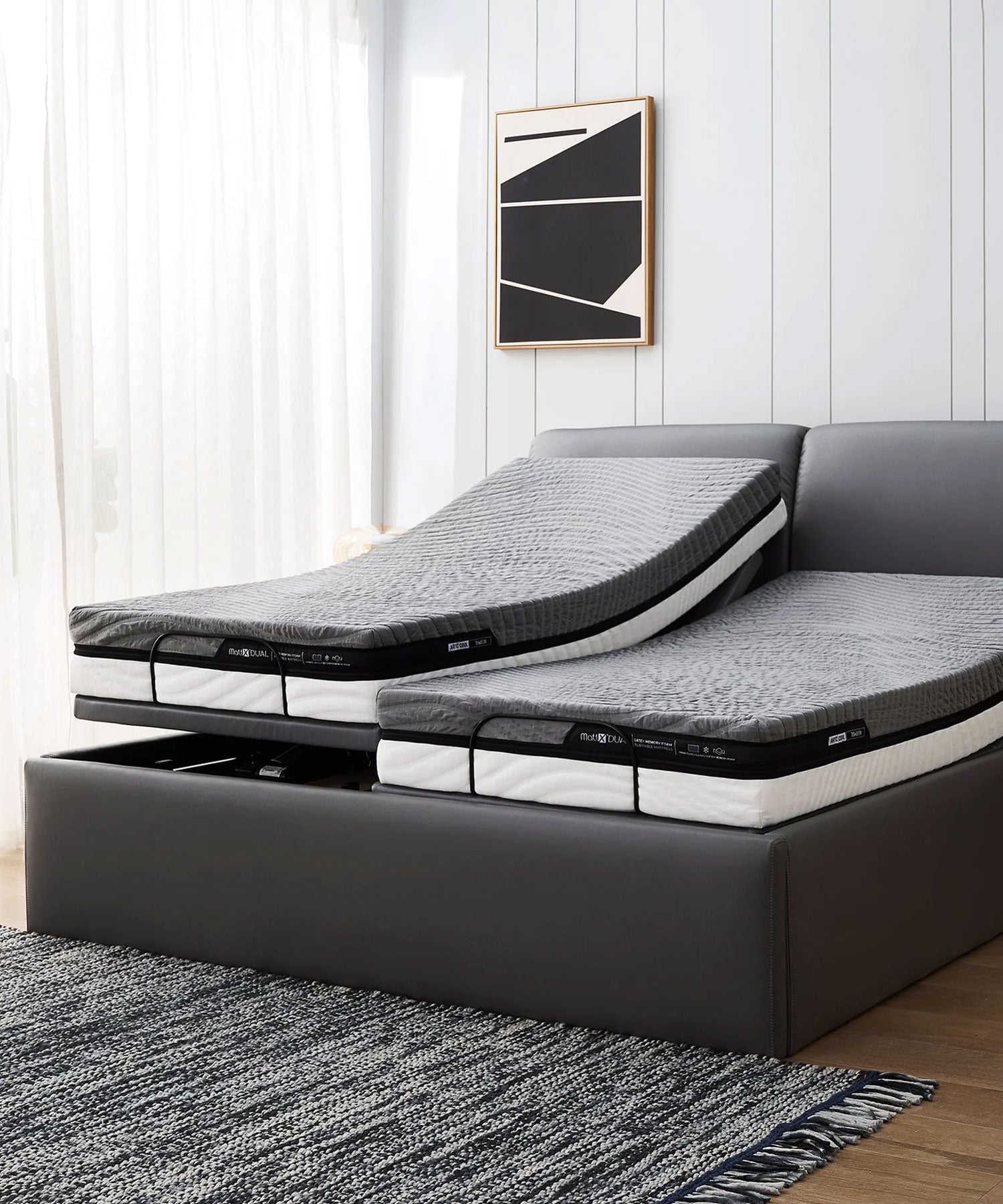
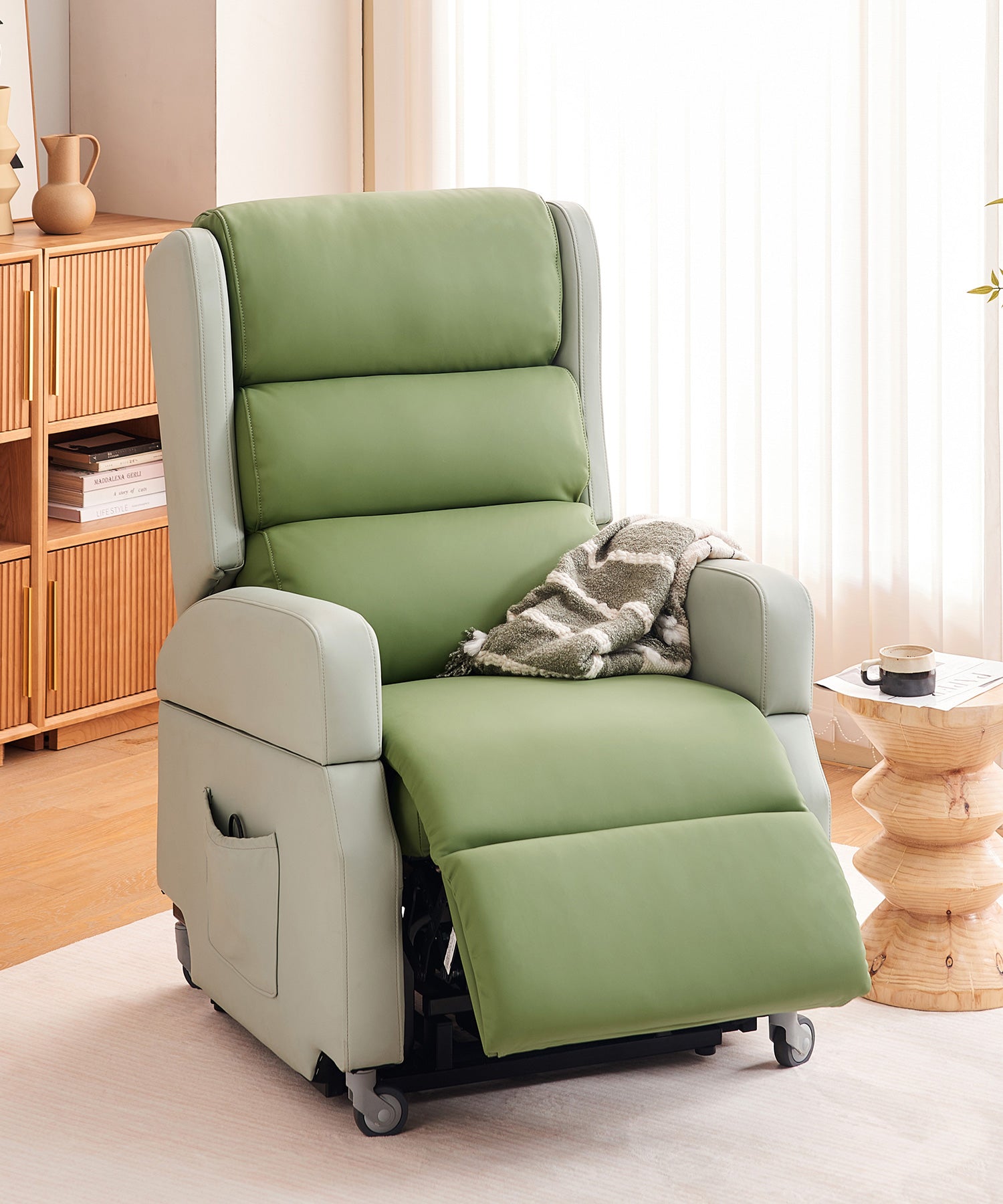
Modern adjustable beds transform transfer difficulty. The ALYA® Adjustable Bed Base from Affairs Living ($804-$2,017) and the 360° Swivel Recliner Senior Bed ($4,585) feature capabilities that eliminate many transfer challenges:
-
Head Elevation: Raise the mattress electronically to 45+ degrees, eliminating the struggle of sitting up from a flat position
-
Programmable Positions: Save favorite positions so seniors can sit themselves up without help
-
Hi-Lo Function: Lower the entire bed to mattress height of 16-18 inches for easier standing, or raise to 22-24 inches for caregiver efficiency
-
360° Swivel Feature: The recliner bed rotates, rotating the senior toward a standing position, reducing the need for manual rolling and pivoting
-
Wall-Hugging Technology: Keeps the bed closer to walls even when fully elevated, maximizing HDB flat space
Bed Transfer Aids
Use these devices to assist transfers and reduce injury risk:
-
Bed Rails: Install on both sides for safety and positioning support
-
Transfer Poles: Vertical poles beside the bed for pulling themselves upright
-
Slide Sheets: Slick fabric under the body to reduce friction during rolling and turning
-
Bed Ladders: Rope ladders hanging from above to assist sitting up
-
Gait Belts: Straps around the waist for caregiver grip during standing transfers
Common Mistakes Caregivers Make
Avoid these errors that increase injury risk:
-
Pulling by the Arms: Strains shoulders and elbows for both caregiver and senior
-
Rushing the Transfer: Hurried movements increase fall risk and senior anxiety
-
Using Back Instead of Legs: Strains lumbar spine and risks chronic caregiver injuries
-
Attempting Solo Lifts: Heavy seniors should not be manually lifted by one person
-
Bed Height Mismatch: Beds too high or too low multiply the physical effort required
When to Seek Professional Help
Recognize signs that more support is needed. Contact occupational therapists, home care agencies, or geriatricians if:
-
The senior has had recent falls during transfers
-
Mobility has declined significantly in recent months
-
Caregiver experiences pain or strain during assistance
-
The senior becomes resistant or fearful of transfers
-
Equipment modifications would improve safety but installation expertise is needed
Singapore's Agency for Integrated Care (AIC) provides home care assessments and subsidized occupational therapy services. Many HDB residents qualify for grants covering bed equipment.
Frequently Asked Questions
How much strength do I need to help transfer an elderly person?
Using proper technique, you need far less strength than you think. Body mechanics multiply your leverage. If someone weighs more than 50 kg, use mechanical equipment rather than manual lifting.
What if my elderly parent is afraid of falling during transfers?
Fear is valid—build confidence with slow, repetitive practice. Use a gait belt initially. Praise small successes. Professional occupational therapists can provide confidence-building techniques.
Can I use a mechanical lift alone?
Most lifting slings and equipment can be operated by one trained person, but it’s safer with two people present in case of equipment malfunction.
How often should I reassess transfer techniques?
Whenever mobility changes. Annual reviews with occupational therapists are ideal. More frequent checks are needed after falls, hospitalizations, or new diagnoses.
Is an adjustable bed worth the investment?
For elderly people with limited mobility, yes. The ALYA® collection ($804-$2,017) and 360° Swivel Recliner ($4,585) reduce falls by up to 70%, prevent caregiver injury, and increase independence—all critical for aging in place in Singapore.
Conclusion: Safe Transfers Enable Independent Aging
Master these transfer techniques and your elderly parent will experience safer, more dignified movement. More importantly, you'll protect your own back and shoulders as a caregiver. In Singapore's context of aging in place, where adult children support aging parents in HDB flats, efficient transfer skills separate sustainable caregiving from burnout.
The 360° Swivel Recliner Senior Bed is specifically designed to simplify transfers with its unique rotating feature and hi-lo function. For more options, explore our Elderly Care Bundle which combines multiple mobility-supporting products at a value price. Proper transfer techniques plus the right equipment create a foundation for safe, independent aging.



%20Raise%20the%20head%20of%20the%20bed%20to%20a%20seated%20position,%20%0A(2)%20Roll%20them%20onto%20their%20side%20facing%20the%20bed%20edge,%20%0A(3)%20Swing%20legs%20off%20while%20pushing%20up%20with%20a...)