



Adjustable Bed vs Hospital Bed for Home Care: Which to Choose?
For most home care situations in Singapore, a premium adjustable bed offers the key medical benefits of a hospital bed (head/foot elevation, zero gravity positioning) with far better aesthetics, comfort, and long-term value. Hospital beds are only necessary for bedridden patients requiring full Trendelenburg positioning or specialized medical equipment attachments.
What is a Hospital Bed?
A hospital bed is a clinical-grade furniture piece designed for acute medical care in institutions. Most hospital beds feature electric motors controlling head, foot, and height adjustments. Key characteristics include:
-
Full-Profile Positioning: Independent head and foot elevation to reach extreme angles, including Trendelenburg (feet higher than head) for specific medical conditions
-
Side Rails: Integral security bars on both sides
-
Height Adjustment: Fixed range (typically 16-26 inches) set during delivery
-
Equipment Attachment Points: IV poles, trapeze bars, and monitoring equipment mounts
-
Institutional Appearance: Typically looks clinical with metal frames and plastic mattresses
What is an Adjustable Bed?
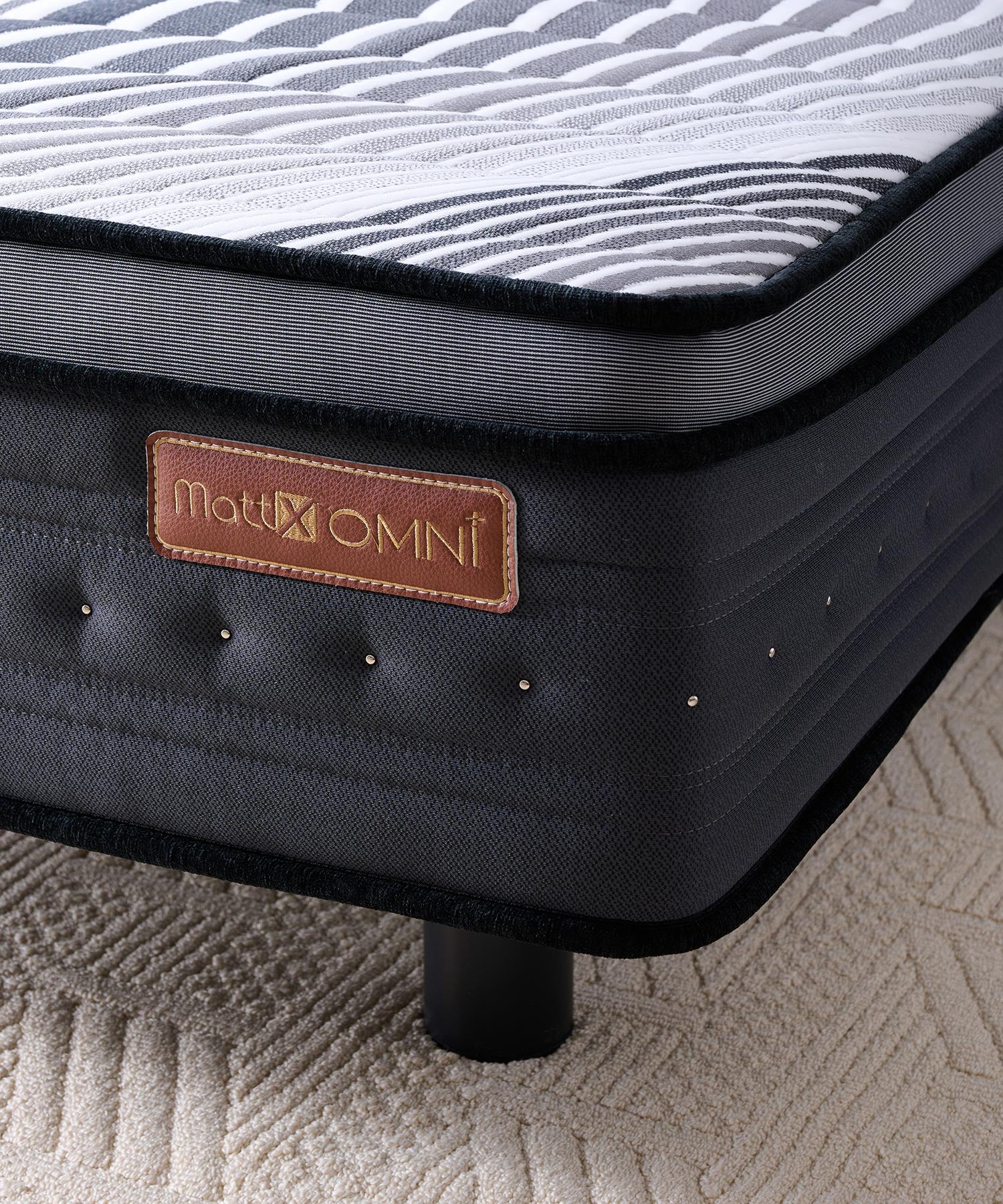
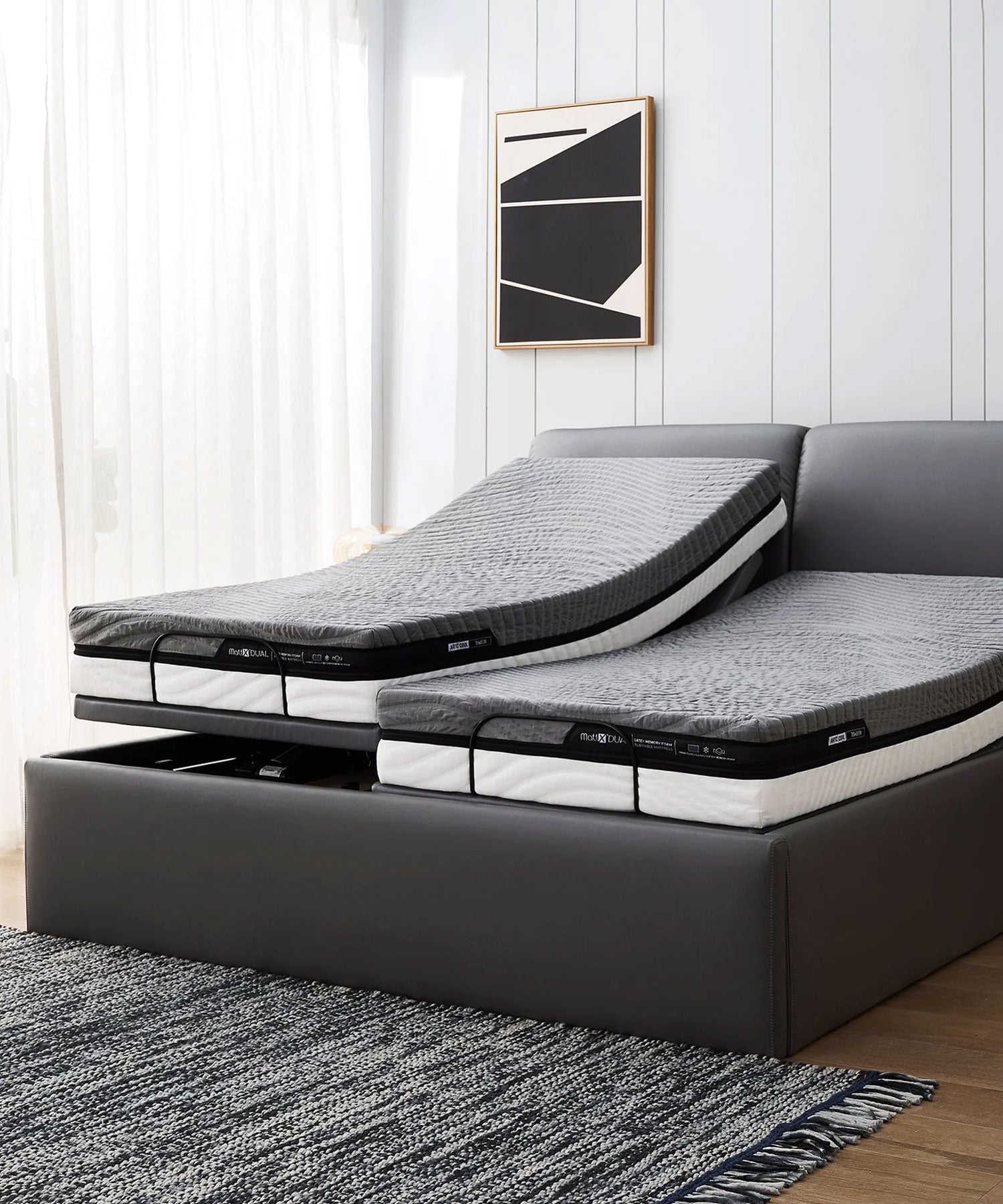
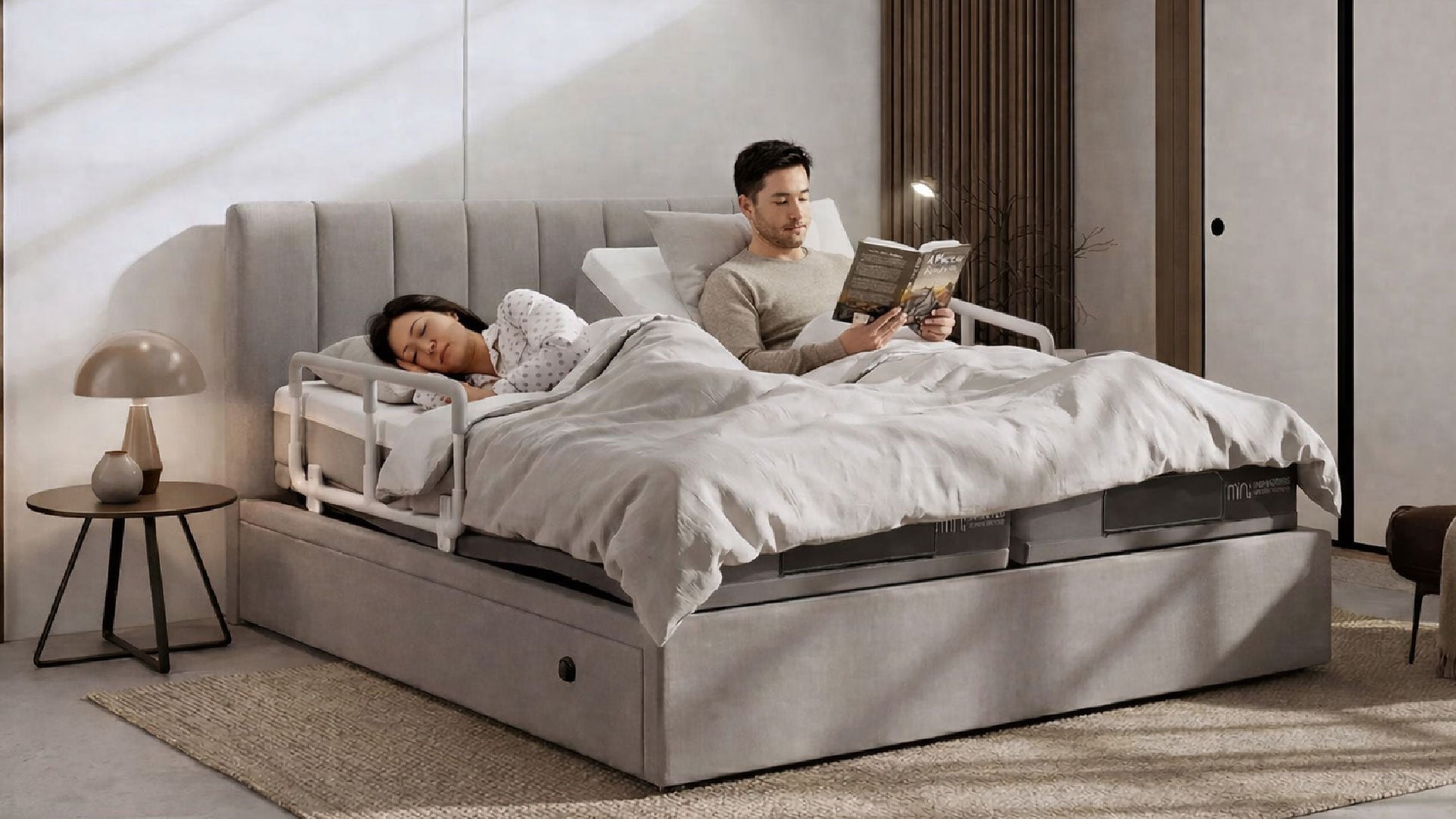
Modern adjustable beds have evolved from simple motorized frames to sophisticated wellness furniture. Consumer adjustable beds offer many capabilities once exclusive to hospitals:
-
Motorized Head/Foot Elevation: Smooth positioning from flat to comfortable angles
-
Zero Gravity Mode: Elevates both head and feet to distribute body weight, reducing pressure on joints
-
Programmable Positions: Save favorite configurations for one-touch recall
-
Smart Features: App control, sleep tracking, health monitoring on premium models
-
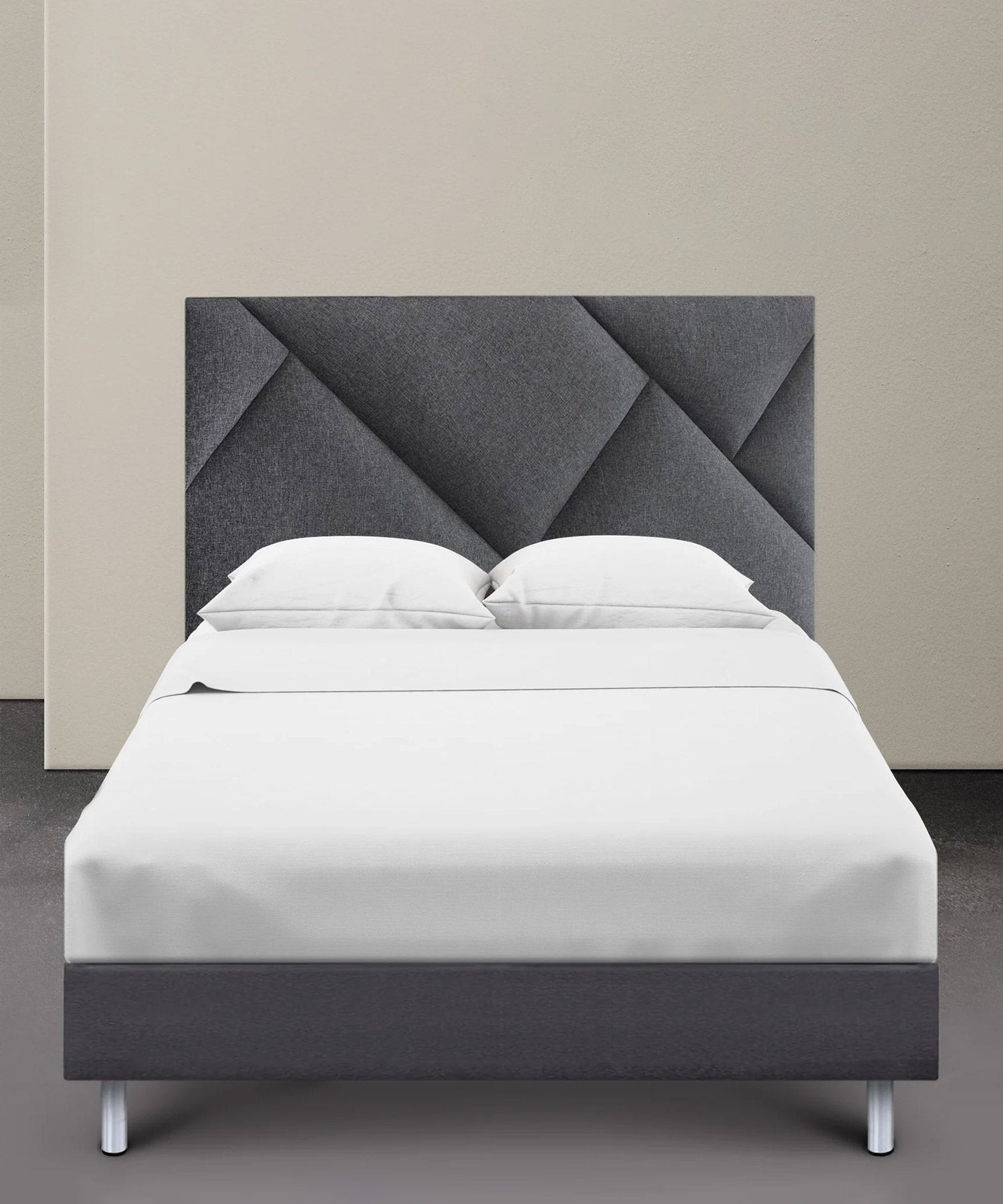
Aesthetic Design: Looks like premium bedroom furniture, available in multiple finishes
-
Comfort-Focused: Premium mattress options and additional wellness features like massage and heating
Head-to-Head Comparison: Hospital Bed vs Adjustable Bed
This comprehensive comparison helps determine which option suits different care scenarios:
|
Feature |
Hospital Bed |
Adjustable Bed |
|
Price |
$1,500-$4,000 (rental $50-100/month) |
$800-$5,500 (one-time purchase) |
|
Appearance |
Clinical, institutional |
Premium furniture, modern design |
|
Mattress Options |
Basic hospital mattress (plastic, firm) |
Premium memory foam, gel, hybrid |
|
Head Elevation Range |
0-75 degrees |
0-70 degrees (smooth control) |
|
Foot Elevation |
Yes (independent control) |
Yes (synchronized or independent) |
|
Height Adjustment |
Fixed height, set during delivery |
Hi-Lo function, motorized (16-24 in) |
|
Side Rails |
Standard feature |
Optional add-on |
|
Massage Function |
No |
Yes (dual vibration on premium models) |
|
Smart Features |
None |
App control, sleep tracking (high-end) |
|
Warranty |
Rental agreement only |
Typically 10 years (ALYA® standard) |
When to Choose a Hospital Bed
Hospital beds remain the appropriate choice in specific medical scenarios:
-
Bedridden Patients: Individuals unable to sit up or transfer, requiring frequent positioning changes to prevent pressure ulcers
-
Trendelenburg Positioning: Medical conditions (certain surgeries, shock management) requiring feet elevated above head
-
Trapeze Bar Requirement: Patients with upper body strength who need assistance devices for pulling themselves up
-
Acute Hospital Discharge: Short-term (2-6 week) recovery periods when rental cost is lower than purchase
-
Monitoring Equipment: Patients requiring IV stands, cardiac monitors, or respiratory equipment attachment points
When to Choose an Adjustable Bed
Adjustable beds are superior for most home care and aging-in-place scenarios:
-
Aging in Place: Seniors with declining mobility living independently or with family caregivers
-
Chronic Conditions: GERD, sleep apnea, back pain, arthritis benefiting from head elevation and positioning
-
Long-Term Care: Permanent or semi-permanent home care situations where purchase cost amortizes over years
-
Couples with Different Needs: Split configurations (ALYA® Split King option) for partners with varying comfort needs
-
Bedroom Integration: HDB flats and modern homes where institutional appearance is unacceptable
-
Health and Wellness Focus: Seniors prioritizing comfort and quality of life alongside medical benefits
Can an Adjustable Bed Replace a Hospital Bed?
For most home care needs, yes. Modern premium adjustable beds offer equivalent medical functionality:
-
Head/Foot Elevation: Both achieve 45-70 degree angles for GERD, swelling reduction, and breathing improvement
-
Zero Gravity: Adjustable beds achieve this therapeutic position; hospital beds cannot
-
Height Adjustment: Adjustable beds offer motorized hi-lo function; fixed hospital beds do not
-
Positioning Flexibility: Programmable positions and smooth motion on adjustable beds exceed hospital bed rigidity
Limitations: Adjustable beds cannot provide Trendelenburg positioning or equipment attachment points. If these specific features are medically necessary, hospital beds remain the only option. However, your geriatrician can confirm whether these specialized features are actually required or if an adjustable bed will suffice.
Cost Comparison in Singapore
Financial analysis reveals why adjustable beds often represent better value for long-term care:
Hospital Bed Costs:
-
Rental: $60-120 per month + $200-500 delivery
-
6-month stay: $360-720 + delivery
-
12-month stay: $720-1,440 + delivery
-
24-month stay: $1,440-2,880 + delivery
Adjustable Bed Costs (ALYA® collection):
-
Basic: $804 (one-time, 10-year warranty)
-
Version R: $1,146
-
Version S: $1,567
-
Version X: $2,017
Break-Even Point: After 12-24 months of hospital bed rental, the ALYA® purchase price is recovered. For permanent home care, adjustable beds provide superior long-term value, remaining functional for a decade with full warranty coverage.
Singapore-Specific Considerations
Singapore's healthcare and housing context makes adjustable beds particularly attractive:
-
HDB Bedroom Size: 3m x 3.5m bedrooms become impossibly cramped with hospital beds. Adjustable beds offer elegant alternatives that maximize space
-
MOH Aging in Place Guidelines: Singapore's Ministry of Health actively promotes aging at home to reduce healthcare costs. Adjustable beds align with this policy
-
Agency for Integrated Care (AIC): Provides occupational therapy and may recommend adjustable beds for home modifications. Some residents qualify for equipment grants
-
Medisave/CPF Medical: Hospital beds typically qualify for insurance claims; adjustable beds may not. Check with your healthcare provider
-
Free Delivery & Installation: Affairs Living provides complimentary delivery and installation on orders over $99, plus 10-year warranty
Frequently Asked Questions
Will my insurance cover an adjustable bed?
Rarely. Hospital beds may qualify for Medisave claims if prescribed by a doctor. Check your specific insurance policy. However, the long-term cost savings of owning an adjustable bed often exceed insurance-covered rental costs.
Can a bedridden person use an adjustable bed?
Yes, if they require only head/foot elevation. If they need Trendelenburg positioning or full rotational movement, a hospital bed remains necessary.
How long does an adjustable bed last?
Quality adjustable beds like ALYA® are built for 10+ years with a 10-year warranty. Hospital beds, by contrast, are expected to last 7-10 years with heavy use.
Can I fit a standard mattress on an adjustable base?
Generally no. Adjustable beds require flexible foundation mattresses designed for motion. Standard mattresses may crack or fail to conform properly.
Is the ALYA® bed suitable for elderly couples?
Yes. The Split King configuration allows each partner independent head/foot control. This is a major advantage over hospital beds, which require both people to adjust together.
Conclusion: Choose Based on Medical Need and Living Situation
The choice between hospital beds and adjustable beds depends on medical necessity and home context. For most Singaporeans aging in place with family caregivers, adjustable beds offer superior comfort, aesthetics, long-term value, and medical functionality. Hospital beds remain appropriate only for specific clinical scenarios—Trendelenburg positioning, trapeze bar assistance, or equipment attachment.

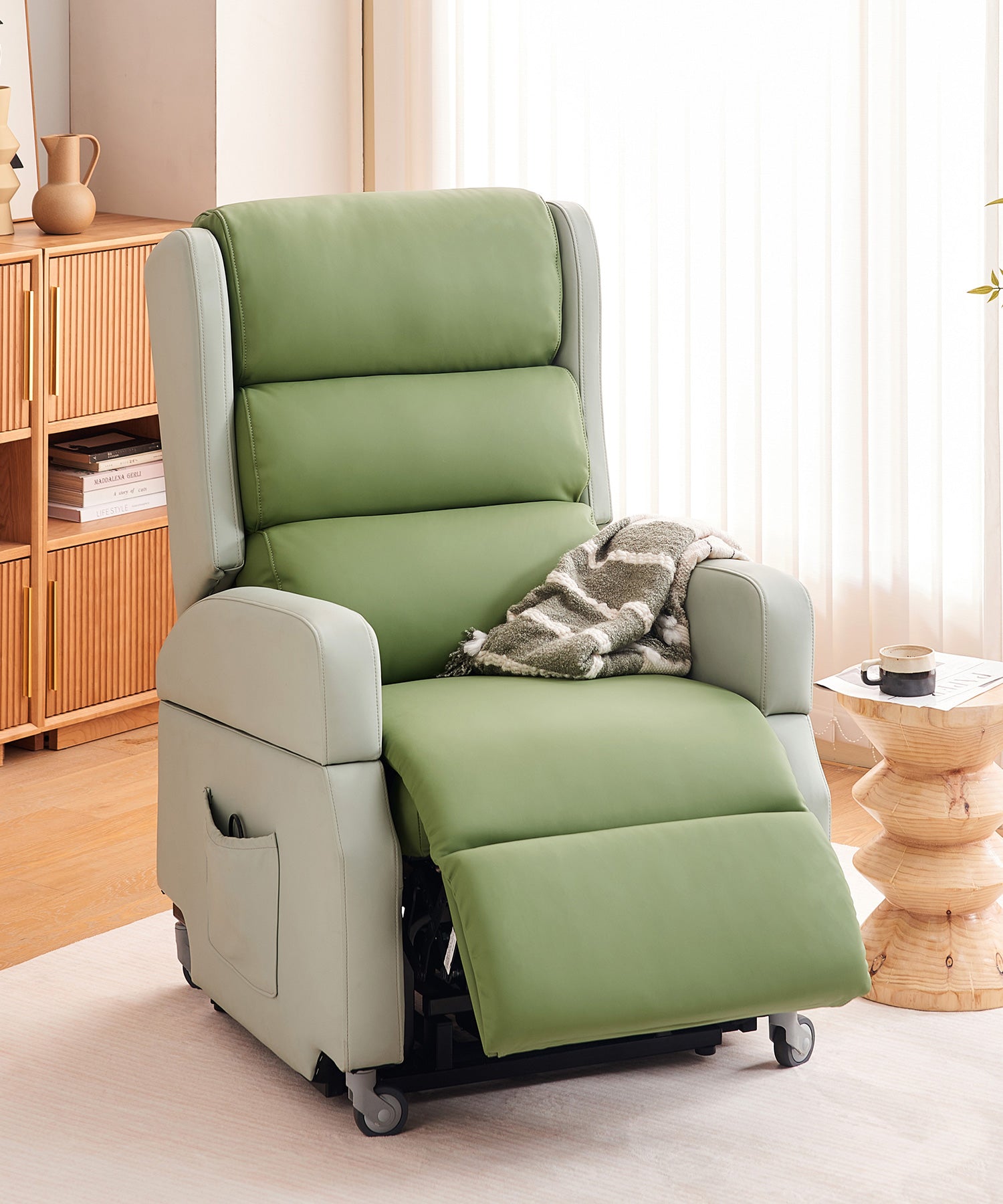
The ALYA® Adjustable Bed Base collection ($804-$2,017) provides therapeutic positioning with the aesthetic appeal of quality bedroom furniture. The 360° Swivel Recliner Senior Bed ($4,585) adds rotational transfer assist, making it ideal for mobility-limited seniors. Explore our full Elderly Care Bundle for comprehensive aging-in-place solutions. With free delivery and installation on orders over $99, plus a 10-year warranty, adjustable beds represent a reliable foundation for safe, comfortable long-term home care in Singapore.


%20with%20far%20better%20aesthetics,%20co...)