

Pressure Relief Mattresses for Bedridden Elderly
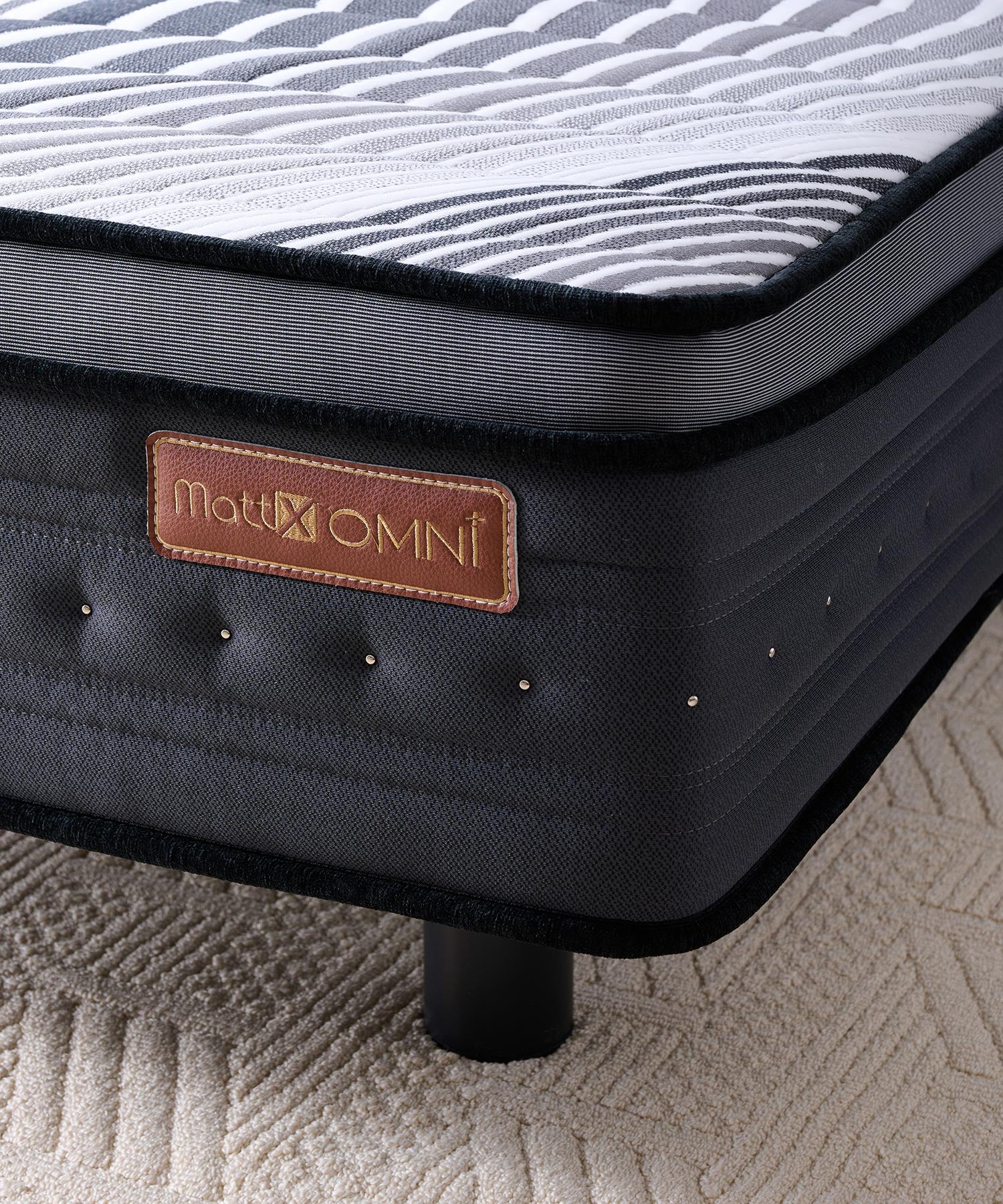
Pressure relief mattresses redistribute body weight to prevent pressure ulcers (bedsores) in elderly who spend extended periods in bed. The best options for home care in Singapore include memory foam, latex, and alternating pressure air mattresses, ideally paired with an adjustable bed base for repositioning. This combination significantly reduces the risk of developing pressure ulcers while improving comfort and sleep quality.
Understanding Pressure Ulcers
What Are Pressure Ulcers?
Pressure ulcers, commonly called bedsores or pressure sores, develop when sustained pressure on the skin restricts blood flow to tissues, causing cell death. Unlike minor skin irritation, pressure ulcers can rapidly deteriorate and become life-threatening, particularly in malnourished or immunocompromised elderly.
Pressure Ulcer Stages
-
Stage 1: Red skin that doesn't blanch when touched; usually reversible with pressure relief
-
Stage 2: Broken skin, blistering, or shallow open wound; still manageable with proper care
-
Stage 3: Deep ulcer involving subcutaneous fat; difficult to heal, high infection risk
-
Stage 4: Ulcer penetrates to muscle, bone, or deeper structures; often requires surgical intervention
Why Elderly Are at Higher Risk
Elderly are particularly vulnerable due to:
-
Thinner, more fragile skin with reduced elasticity
-
Compromised circulation and slower healing
-
Chronic conditions affecting circulation (diabetes, heart disease)
-
Incontinence and moisture, which macerate skin
-
Malnutrition, affecting tissue repair capacity
Common Pressure Points
Pressure ulcers most commonly develop at:
-
Sacrum (lower back)—highest risk area
-
Heels and ankles
-
Hip bones (trochanters)
-
Elbows and back of head
How Pressure Relief Mattresses Work
Weight Distribution vs. Alternating Pressure
Pressure relief mattresses work through two main mechanisms:
Weight Distribution: Static mattresses (memory foam, latex) distribute body weight evenly over a larger surface area, reducing the peak pressure at vulnerable points. This is passive but continuous.
Alternating Pressure: Air mattresses with alternating cells inflate and deflate in cycles, continuously changing pressure points. This mimics the body's natural repositioning, allowing blood flow recovery to pressurized areas.
Immersion and Envelopment
High-quality pressure relief mattresses provide both immersion (sinking into the material to distribute weight) and envelopment (the material conforming to body contours). This reduces shear forces—friction that damages skin—which is critical for immobile patients.
Types of Pressure Relief Mattresses
The following table compares major pressure relief mattress options:
|
Type |
Pressure Relief |
Breathability |
Durability |
Price (SGD) |
|
Memory Foam |
High |
Moderate |
7-8 years |
$800-1,500 |
|
Latex |
High |
Very High |
10+ years |
$1,200-2,500 |
|
Alternating Pressure Air |
Very High |
Good |
5-7 years |
$2,000-4,000 |
Choosing the Right Mattress for Bedridden Elderly
Risk Assessment
The Braden Scale is a standard tool for assessing pressure ulcer risk. It evaluates six factors: sensory perception, moisture, activity level, mobility, nutrition, and friction/shear. For bedridden elderly scoring high on the Braden Scale, a high-quality pressure relief mattress is essential. Consult a healthcare provider for your senior's specific risk level.
Weight Considerations
Choose a mattress with adequate weight capacity (typically 150-200 kg for standard medical mattresses, up to 250+ kg for bariatric options). Under- or oversized mattresses lose pressure relief effectiveness. Check manufacturer specifications.
Incontinence Management
Moisture accelerates skin breakdown. Choose a mattress with:
-
Waterproof cover that's easy to clean
-
Moisture-wicking layers to keep skin dry
-
Washable covers that tolerate frequent laundering
Temperature Regulation (Critical for Singapore Climate)
Singapore's tropical heat (28-35°C) means mattresses can trap body heat, creating a humid microclimate that promotes skin breakdown. Choose:
-
Latex or gel-infused memory foam (better heat dissipation than traditional foam)
-
Breathable covers
-
Mattresses with ventilation channels
The Role of Repositioning
A pressure relief mattress alone cannot prevent pressure ulcers; repositioning is equally critical. The standard protocol is to reposition every 2 hours, shifting weight to different pressure points. For immobile elderly, manual repositioning is physically demanding on caregivers.
Manual Repositioning Challenges
Manual turning of bedridden patients requires:
-
Multiple caregivers (risk of caregiver injury)
-
Frequent sleep disruptions for the patient
-
Risk of skin damage during turning
How Adjustable Beds Assist
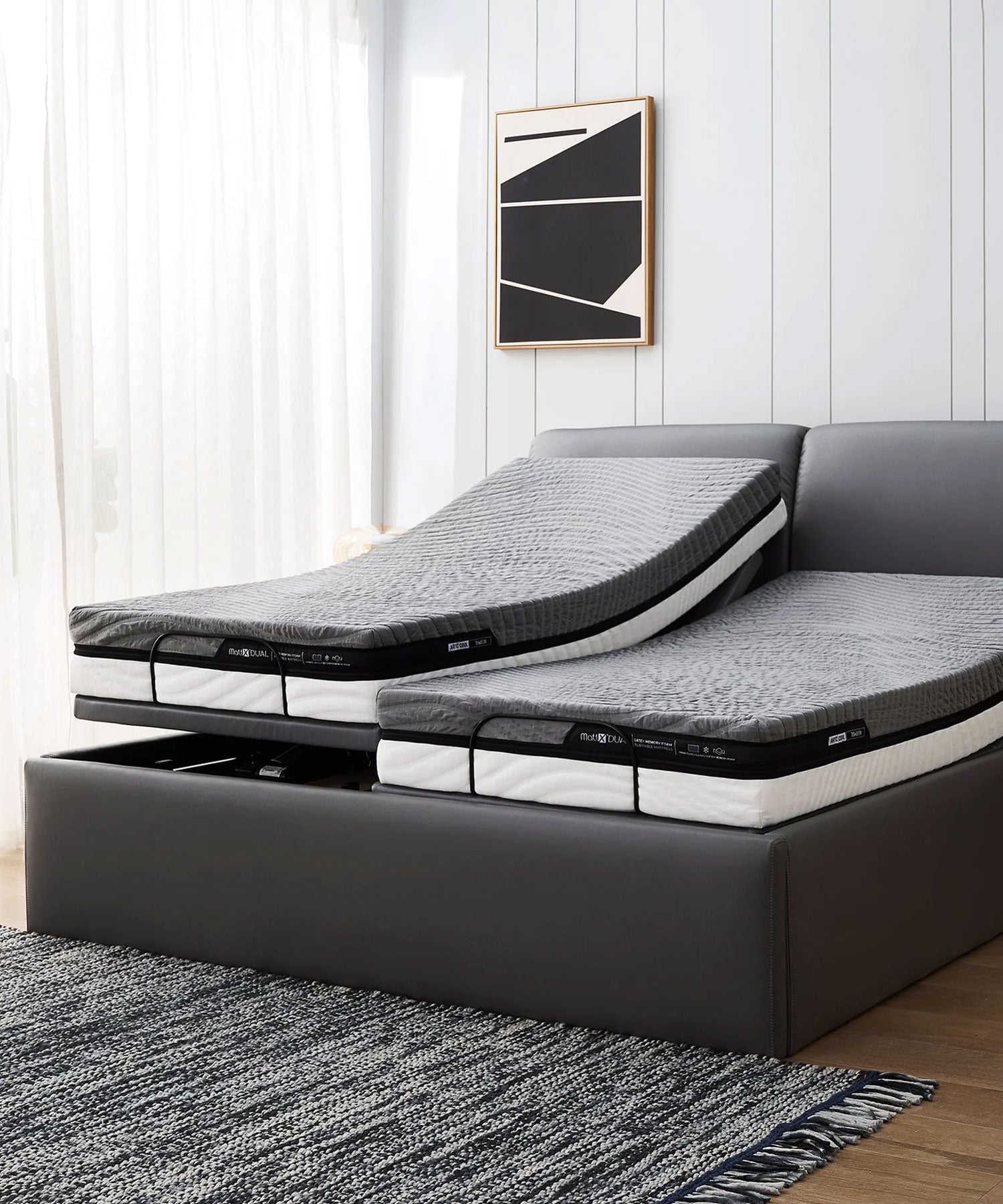
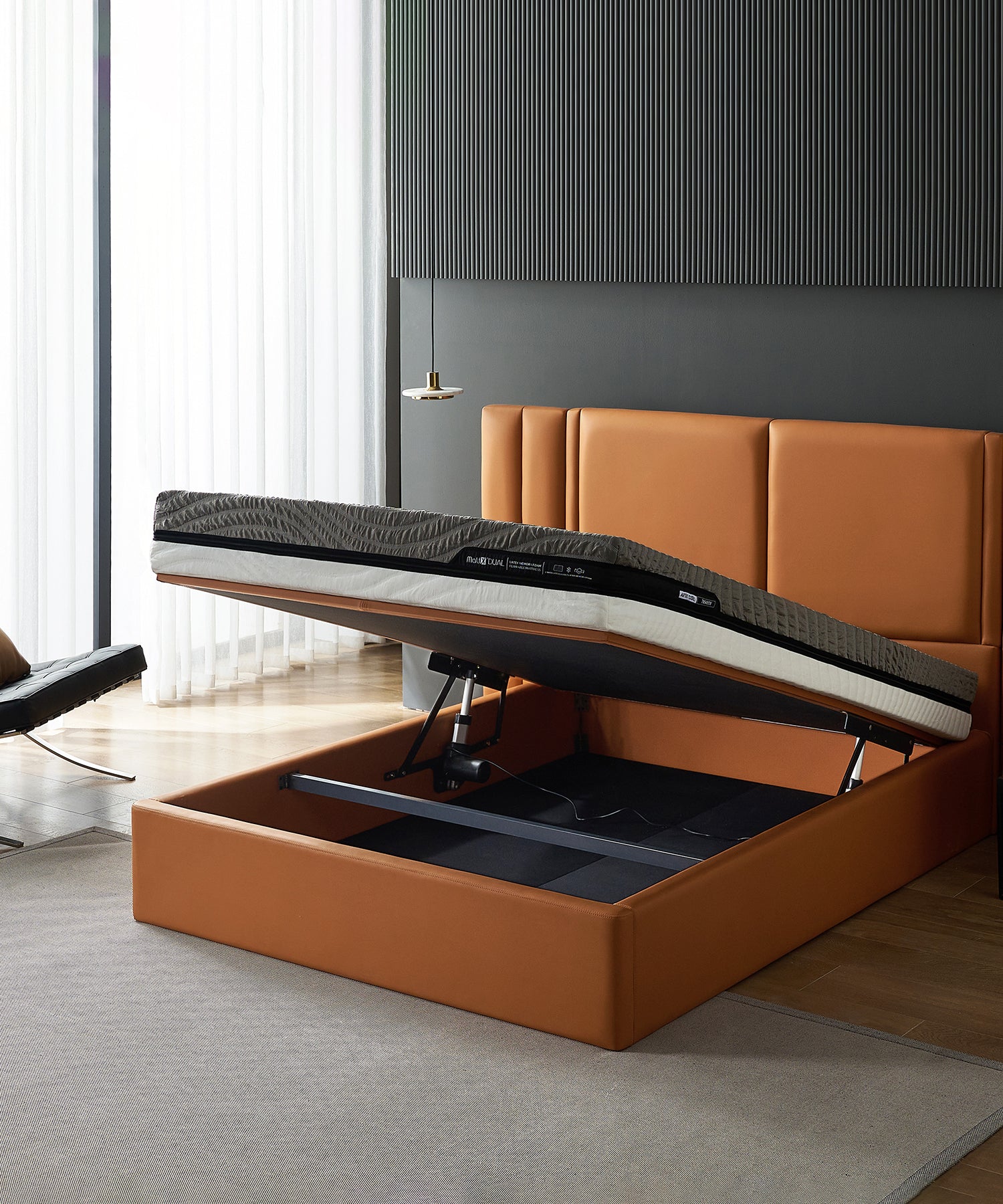
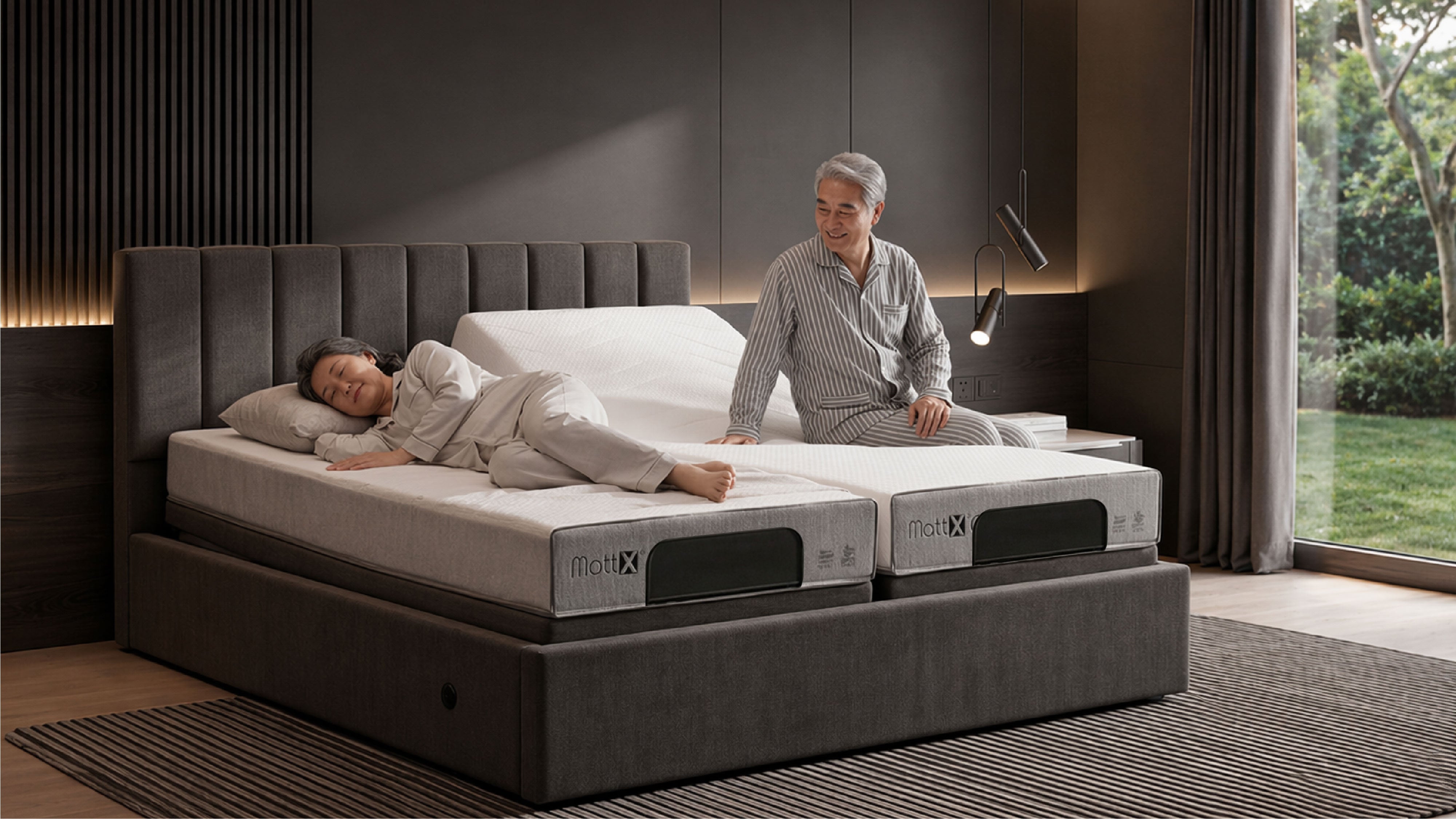
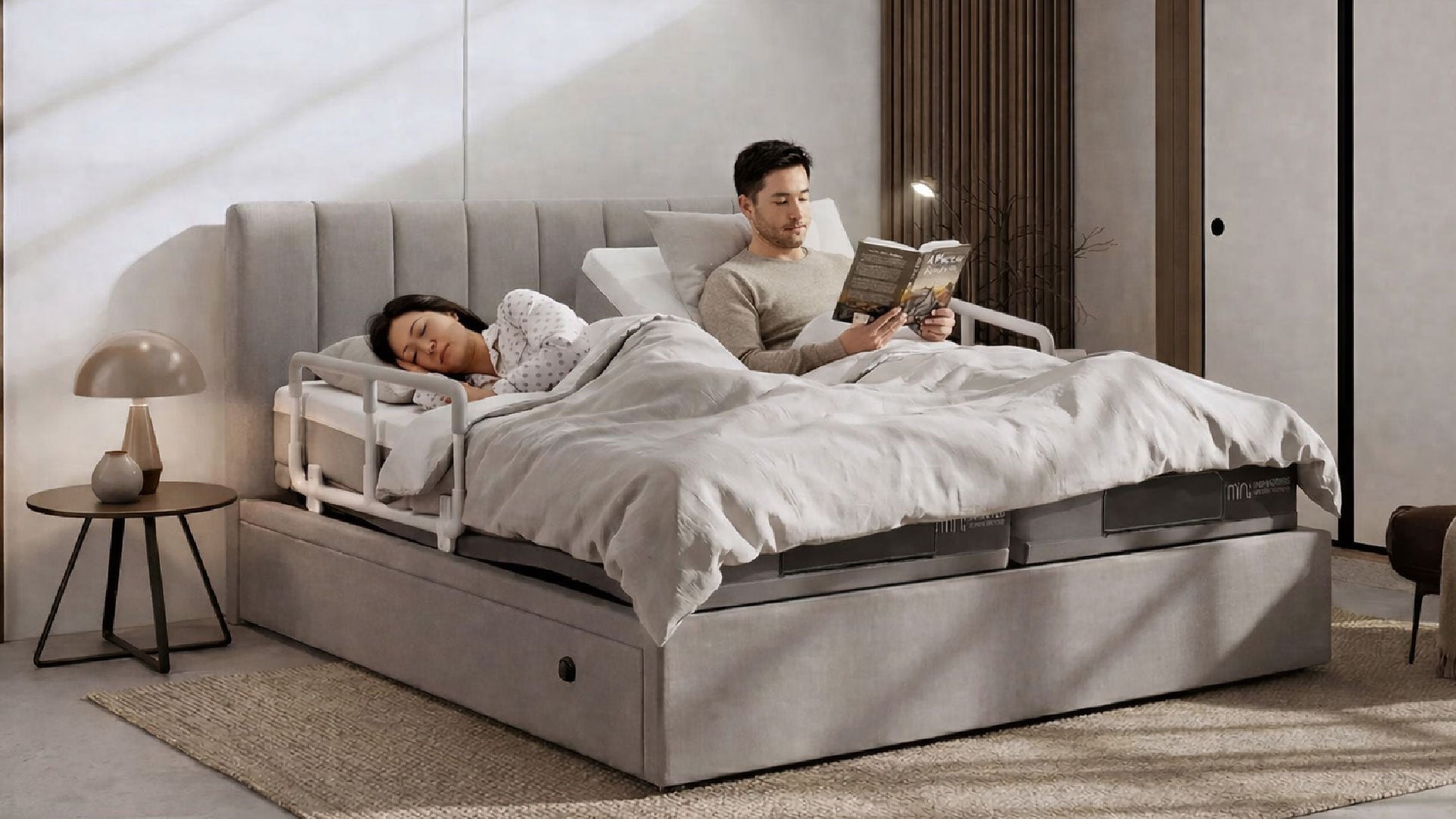
Motorized adjustable beds offer a solution. By adjusting the backrest, leg rest, and zero gravity positions, the bed redistributes pressure without manual repositioning. This reduces caregiver burden and allows the patient to reposition independently or with minimal assistance.
Mattress + Adjustable Bed Combination
The ideal solution combines a quality pressure relief mattress with an adjustable bed base:
Why Pairing Matters
-
Elevating the backrest shifts pressure from the sacrum (highest risk area) to the back
-
Elevating the leg rest takes pressure off heels
-
Zero gravity position distributes pressure most evenly across the body
-
Motorized adjustments allow frequent position changes without manual turning
Which Mattress Types Work Best with Adjustable Bases
Not all mattresses flex well with adjustable bases:
-
Memory foam (gel-infused for Singapore heat): Excellent—conforms to changing positions
-
Latex: Excellent—responsive and maintains support during flexing
-
Alternating pressure air mattresses: Compatible—designed to work with adjustable bases
-
Coil/spring mattresses: Poor—prone to breaking with repeated flexing
Care Tips for Pressure Relief Mattresses
Cleaning
For waterproof covers: Wipe with a damp cloth and mild soap weekly or after incontinence. Use a disinfectant spray suitable for fabric. For washable covers: Remove and launder every 1-2 weeks, or more frequently if incontinence is present.
Rotation and Flip
Some pressure relief mattresses benefit from rotation (top to bottom) every 3 months to promote even wear. Check manufacturer guidelines—some modern mattresses are not designed for flipping.
Replacement Indicators
Replace a pressure relief mattress when:
-
It develops permanent indentations or sagging
-
Foam becomes noticeably less responsive
-
The cover is torn or waterproofing is compromised
-
Pressure ulcers develop despite proper use
Frequently Asked Questions
1. How much does a quality pressure relief mattress cost in Singapore?
Memory foam or latex pressure relief mattresses range from SGD 800-2,500. Alternating pressure air mattresses are more expensive (SGD 2,000-4,000) but offer superior pressure redistribution for high-risk patients. Check if your insurance or subsidies cover medical mattresses.
2. Can pressure relief mattresses be used on regular bed frames?
Yes, but adjustable bed frames provide superior benefits. Memory foam and latex mattresses work on standard frames. Alternating pressure air mattresses should be paired with firm, flat surfaces. Avoid soft frames that sag.
3. How long do pressure relief mattresses last?
With proper care, 5-10 years. Latex mattresses tend to last longer than memory foam. Alternating pressure air mattresses may need pump replacement every 5-7 years.
4. Is it worth combining a pressure relief mattress with an adjustable bed?
Absolutely. For bedridden elderly at risk of pressure ulcers, this combination is the gold standard. The cost is higher upfront but saves money by preventing expensive pressure ulcer treatment and hospital stays.
5. What should I do if pressure ulcers develop despite using a pressure relief mattress?
Consult a doctor or wound care specialist immediately. Pressure ulcers can rapidly worsen and become infected. Ensure repositioning is happening every 2 hours, nutrition is adequate, and incontinence is managed properly. The mattress alone won't prevent ulcers without proper holistic care.
Conclusion
Pressure relief mattresses are a critical investment for bedridden elderly in Singapore. Combined with an adjustable bed base and a proper repositioning schedule, they significantly reduce the risk of life-threatening pressure ulcers while improving comfort, circulation, and quality of life.
Affairs Living offers pressure-relief compatible adjustable bed bases and Elderly Care Bundles that combine the right bed base with compatible mattress options. With free delivery and installation on orders over SGD 99, plus a 10-year warranty, Affairs Living provides the support needed for comprehensive pressure ulcer prevention. Consult with your healthcare provider about which combination is right for your loved one's specific needs. Adjustable Beds for Elderly Caregivers


%20in%20elderly%20who%20spend%20extended%20periods%20in%20bed.%20The%20best%20options%20for%20home%20care%20in%20Singapore%20include%20memory%20fo...)