



Caregiver's Guide: Setting Up a Safe Bedroom for Elderly Parents
A safe elderly bedroom requires five essential elements:
-
Proper bed height and type (ideally an adjustable bed)
-
Clear pathways with no trip hazards
-
Adequate lighting including night lights
-
Grab bars and support handles
-
Easy access to essentials and medications
In Singapore's HDB flats, space optimization is especially important. A well-designed bedroom can significantly reduce fall risk, improve sleep quality, and enhance your elderly parent's independence and dignity.
Assessing Your Parent's Needs
Before purchasing furniture or making modifications, evaluate your parent's specific situation. Each senior has different mobility, cognitive, and health requirements that will shape your bedroom setup.
Mobility Level Assessment
Is your parent independently mobile, or do they use a walker or wheelchair? Can they transfer in and out of bed independently? Understanding mobility helps determine bed height, path width, and grab bar placement. A wheelchair requires minimum 90cm pathways; a walker needs 75cm.
Cognitive Function
Seniors with dementia or cognitive decline benefit from simplified layouts and visible reminders. Labels on drawers, nightlights on pathways, and a medication organizer are essential. Avoid clutter and unnecessary furniture.
Vision and Hearing
Poor eyesight requires better lighting and larger switches. Hearing loss may necessitate visual alerts (like vibrating alarms) or a doorbell system caregivers can activate. Ensure pathways have sufficient light to prevent tripping.
Chronic Conditions
Back pain, arthritis, and respiratory issues all influence bed height and positioning. An adjustable bed that supports Zero Gravity positioning can significantly ease discomfort and improve sleep. Proximity to a bathroom is critical for those with frequent nighttime needs.
Current Fall Risk Factors
Review past falls and near-misses. Common causes include loose rugs, poor lighting, rushed bathroom trips, and difficulty getting out of bed. Address these specific hazards first.
The Bed: Foundation of a Safe Bedroom
The bed is the most-used piece of furniture in an elderly bedroom. Choosing the right type, height, and positioning can prevent falls and improve mobility.
Why Adjustable Beds Are Ideal for Elderly
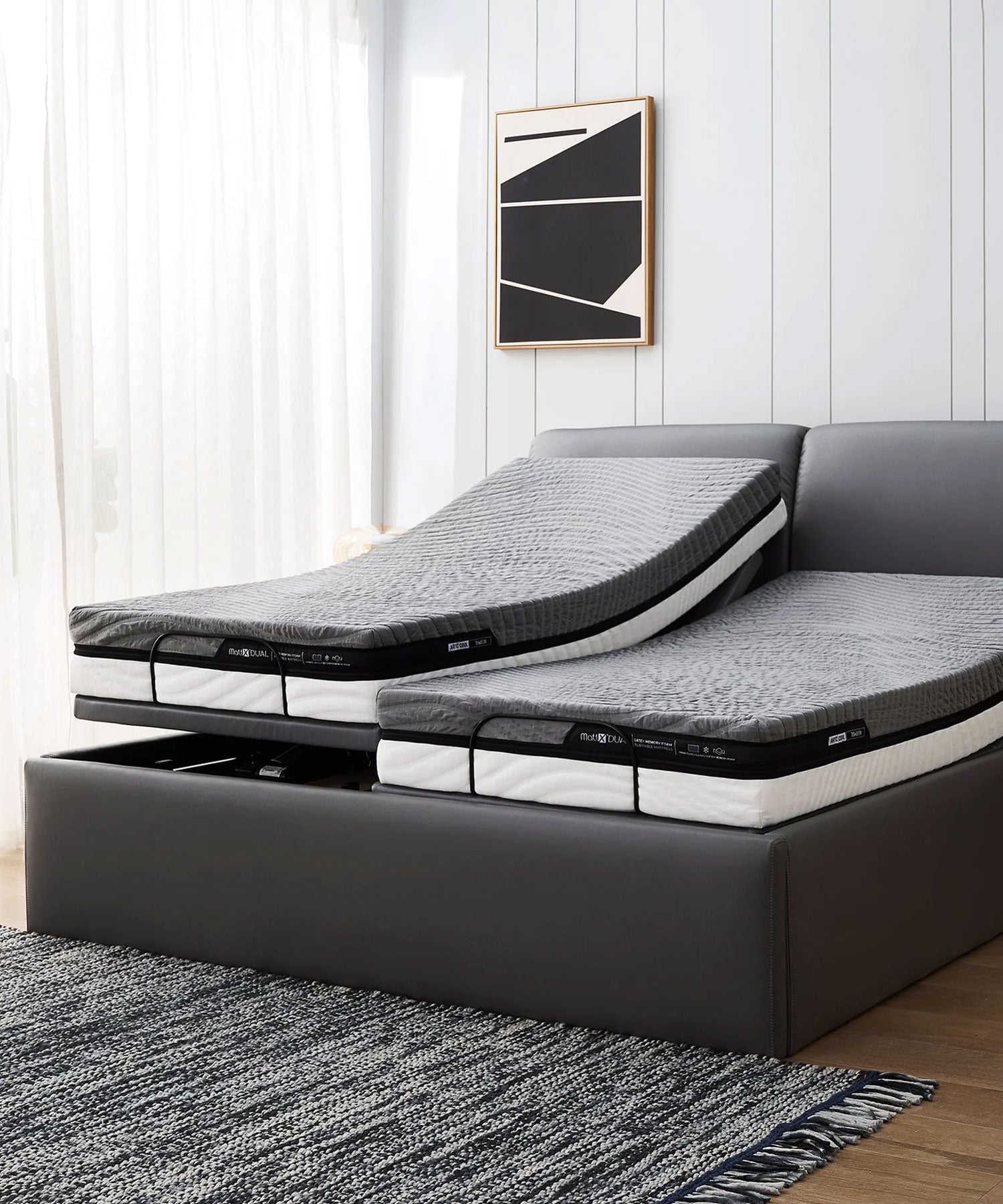
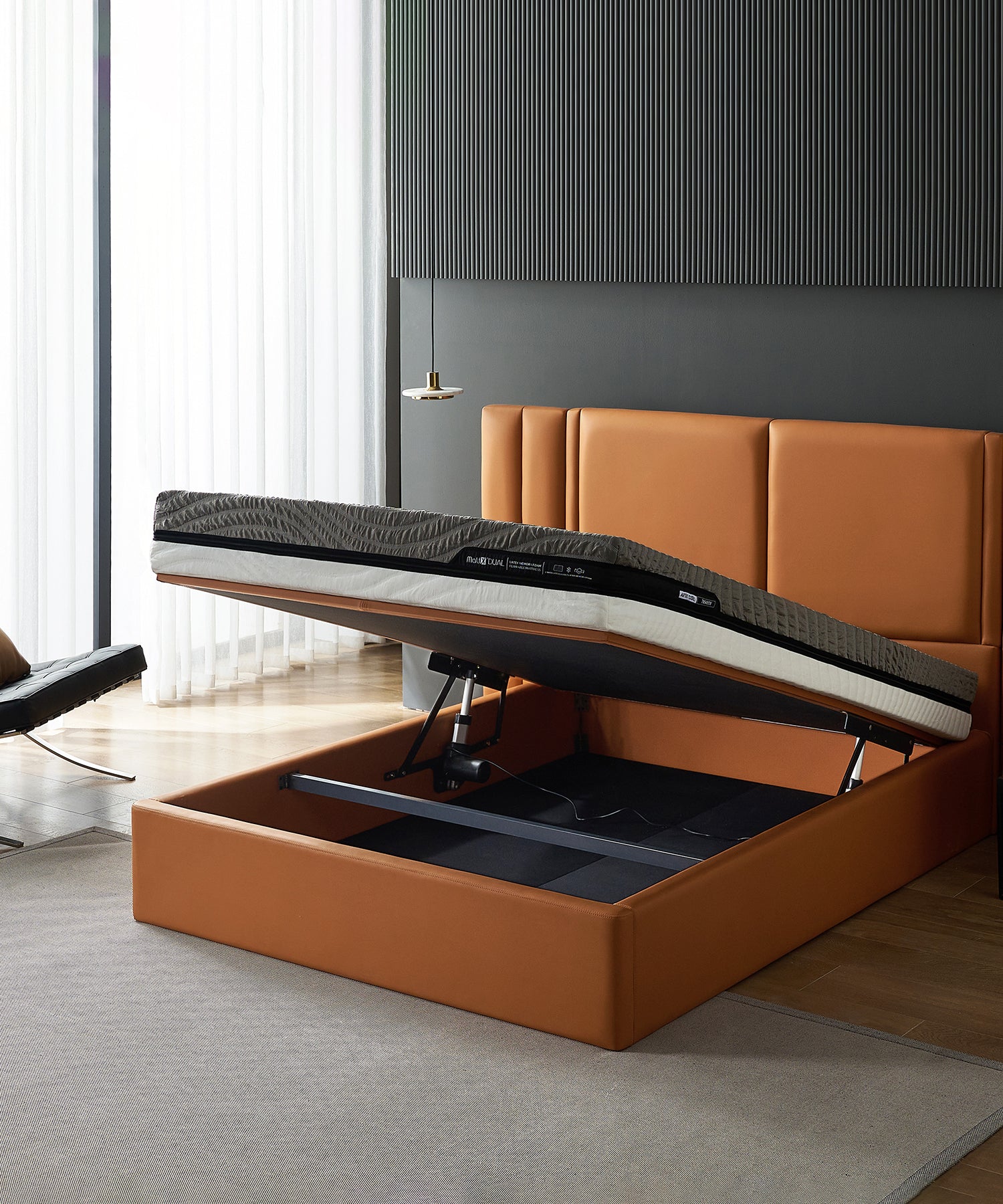
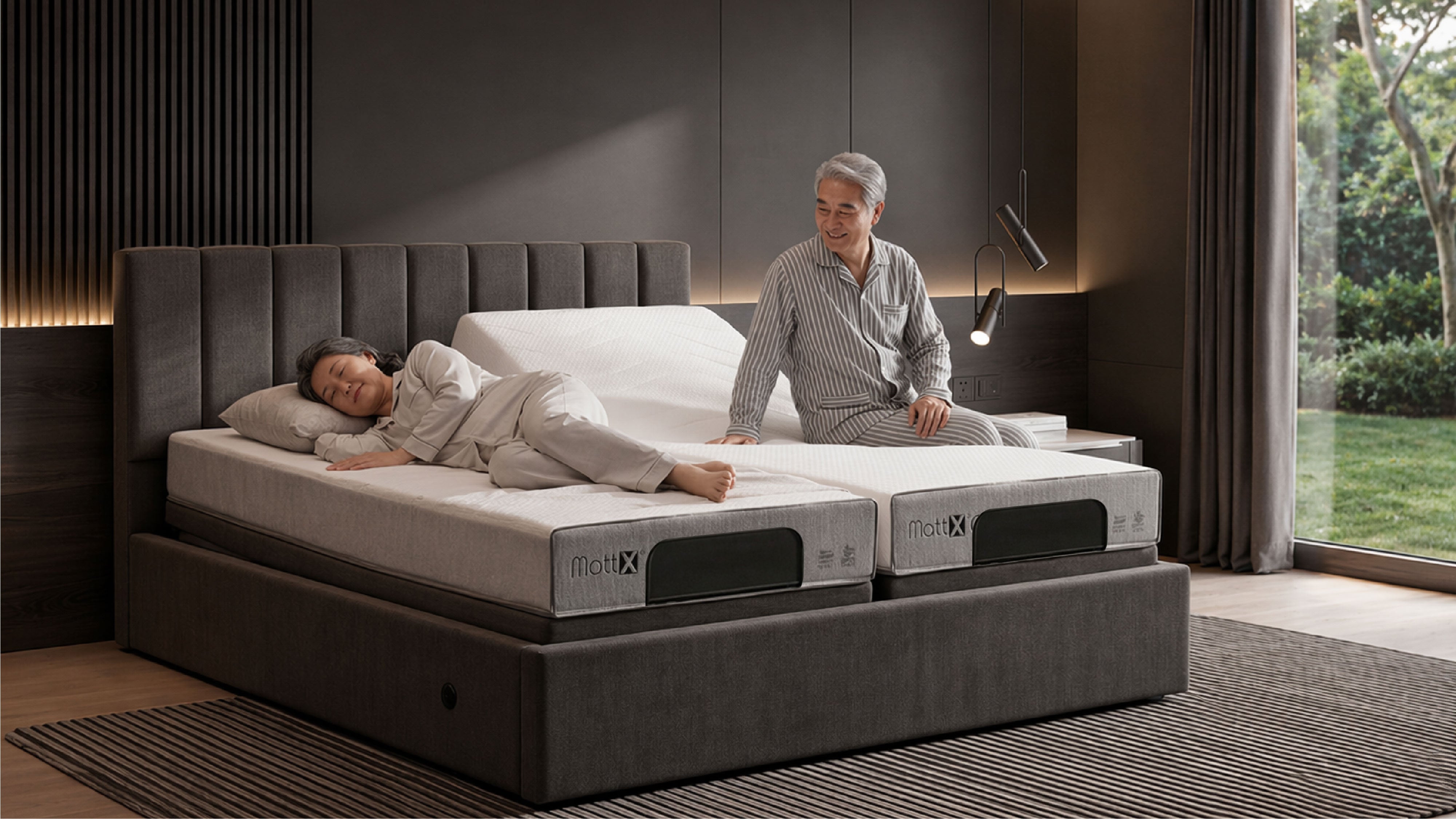
An adjustable bed (also called an electric bed) allows your parent to raise the head and foot independently. Benefits include: easier sitting up without assistance, reduced back strain, better circulation with elevated feet, and the ability to find comfortable sleeping positions independently. For seniors with mobility issues, a bed they can adjust themselves reduces caregiver burden and maintains independence.
Ideal Bed Height
A bed that is too low forces seniors to bend excessively; too high and their feet dangle uncomfortably. The ideal height is approximately 18 inches (45cm) from floor to mattress top—roughly knee height when seated. This allows easier transfer from bed to wheelchair or walker. Adjustable beds can be paired with platform bases to achieve the right height.
Mattress Selection
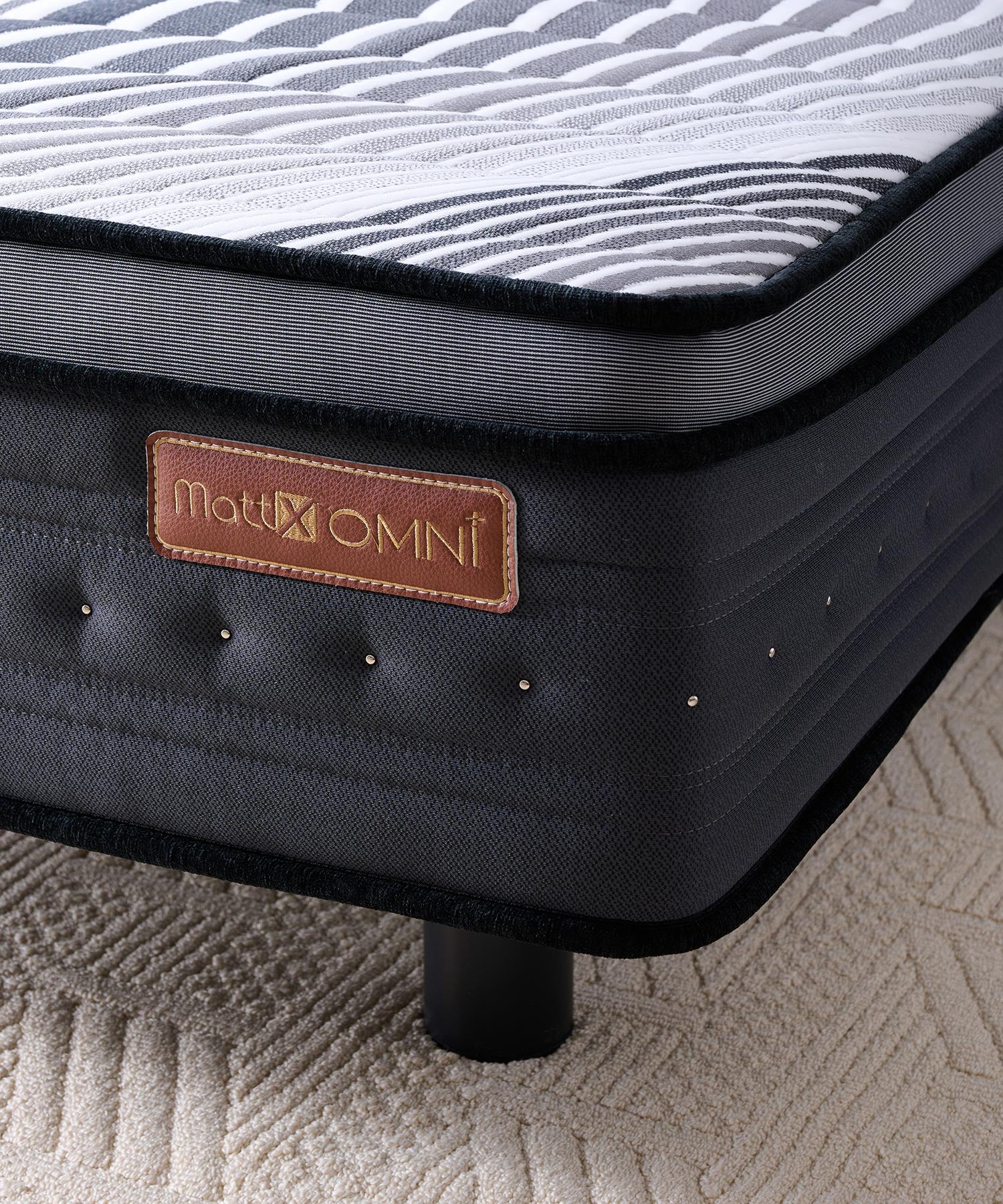
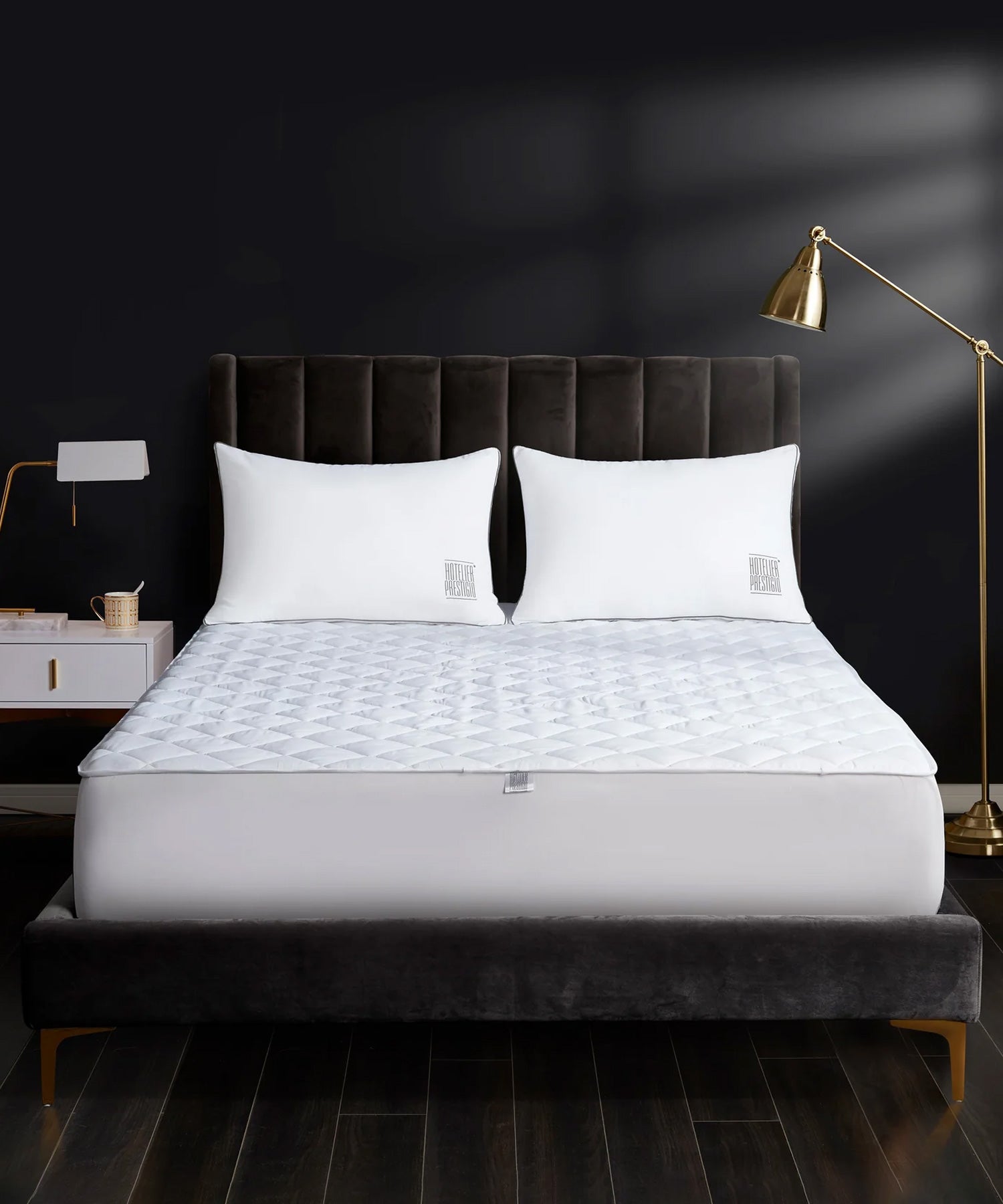
A quality, supportive mattress is crucial. Medium-firm options generally work best for elderly sleepers. Memory foam can reduce pressure points, while hybrid mattresses provide good support and airflow. Consider moisture-resistant covers if incontinence is a concern.
Bed Positioning
Position the bed so your parent can access both sides if possible. Place the bed near the wall to reduce one side, freeing space for a walker or caregiver. Ensure there is at least 60cm of clear space on the side where they exit the bed. The bed should be at least 120cm from the bathroom, but closer is better for frequent nighttime trips.
Flooring & Pathway Safety
Falls are the leading cause of injury in elderly populations. A clear, safe pathway from bed to bathroom is critical.
Remove Trip Hazards
Remove or secure loose rugs, cables, and wires. HDB flats often have multiple power points; use cable clips or covers to keep wires off the floor. Store items off pathways. If your parent uses a walker, ensure no obstacles block the path.
Non-Slip Flooring
Consider non-slip mats in high-traffic areas, especially if floors are polished marble or tile common in HDB flats. Anti-slip strips on bathroom access areas add grip without major renovations.
Pathways
Maintain at least 75cm (walker) to 90cm (wheelchair) wide pathways. In small HDB rooms, this may mean minimalist furniture. Keep doorways and entry points clear.
Furniture Arrangement
In space-limited HDB flats, choose one bedside table instead of two. Use tall dressers rather than wide ones. Avoid low coffee tables or seating.
Lighting Design
Elderly eyes need more light to see safely. Poor lighting is a major fall risk factor, especially at night when toileting and disorientation occur.
Night Lights with Motion Sensors
Install motion-activated LED night lights along the floor pathway from bed to bathroom. These activate automatically when your parent gets up, eliminating the need to find a light switch in the dark.
Bedside Lighting
Place a bedside lamp within arm's reach of the pillow with a large, easy-to-use switch or dimmer. Ensure the lamp is stable and cannot be easily knocked over.
Pathway to Bathroom
In addition to night lights, consider under-bed lighting strips or wall-mounted pathway lights. Some modern adjustable beds include integrated under-bed lighting—a valuable safety feature.
Smart Lighting
Voice-controlled smart lights (compatible with Amazon Alexa or Google Home) allow seniors to adjust lighting without getting out of bed or fumbling for switches. Set warm color temperatures (2700K) to minimize sleep disruption.
Bathroom Accessibility
Bathrooms are high-risk areas for elderly falls. A safe pathway and accessible fixtures prevent accidents.
Grab Bars
Install stainless steel grab bars at the toilet, shower, and tub. These should support at least 135kg and be mounted securely into wall studs. Bars should be 30-40mm in diameter for easy grip.
Non-Slip Mats
Place non-slip mats in the bathtub and shower. Use a small rug at the sink with a non-slip backing.
Nighttime Options
For seniors with frequent nighttime bathroom needs, consider a bedside commode if the bathroom is more than 3 meters away. This reduces fall risk during groggy nighttime trips.
Emergency Preparedness
Despite best precautions, emergencies happen. Your bedroom setup should facilitate quick response.
Personal Alarm System
A wearable alarm button allows your parent to call for help if they fall or feel unwell. Options include pendant alarms with 24/7 monitoring centers. In Singapore, providers like SafetyLink and Lifespan offer affordable packages.
Phone Within Reach
Keep a cordless phone or smartphone on the bedside table. Ensure your parent knows how to call 995 (ambulance) or a family member.
Emergency Contact List
Post a visible list of emergency numbers: 995 (ambulance), 1800-222-0000 (SilverLine - emotional support hotline), family doctor, and family member contact information.
Medication Management
Use a pill organizer with clear compartments for each day and time. Store medications in a locked, accessible drawer. Maintain a list of all medications, dosages, and contraindications.
Essential Bedroom Furniture & Accessories
Bedside Table
Choose a table at the same height as the mattress or slightly lower. A single table is usually sufficient; it should hold a lamp, phone, water glass, and tissues without clutter.
Overbed Table
An adjustable overbed table allows eating, reading, or writing while seated in bed. This reduces the need to get up frequently and promotes independence.
Clothing Storage
Use low dressers or clothing racks at easy reach height. Avoid high closets that require stretching. Shelves at 100-130cm height are ideal.
Seating
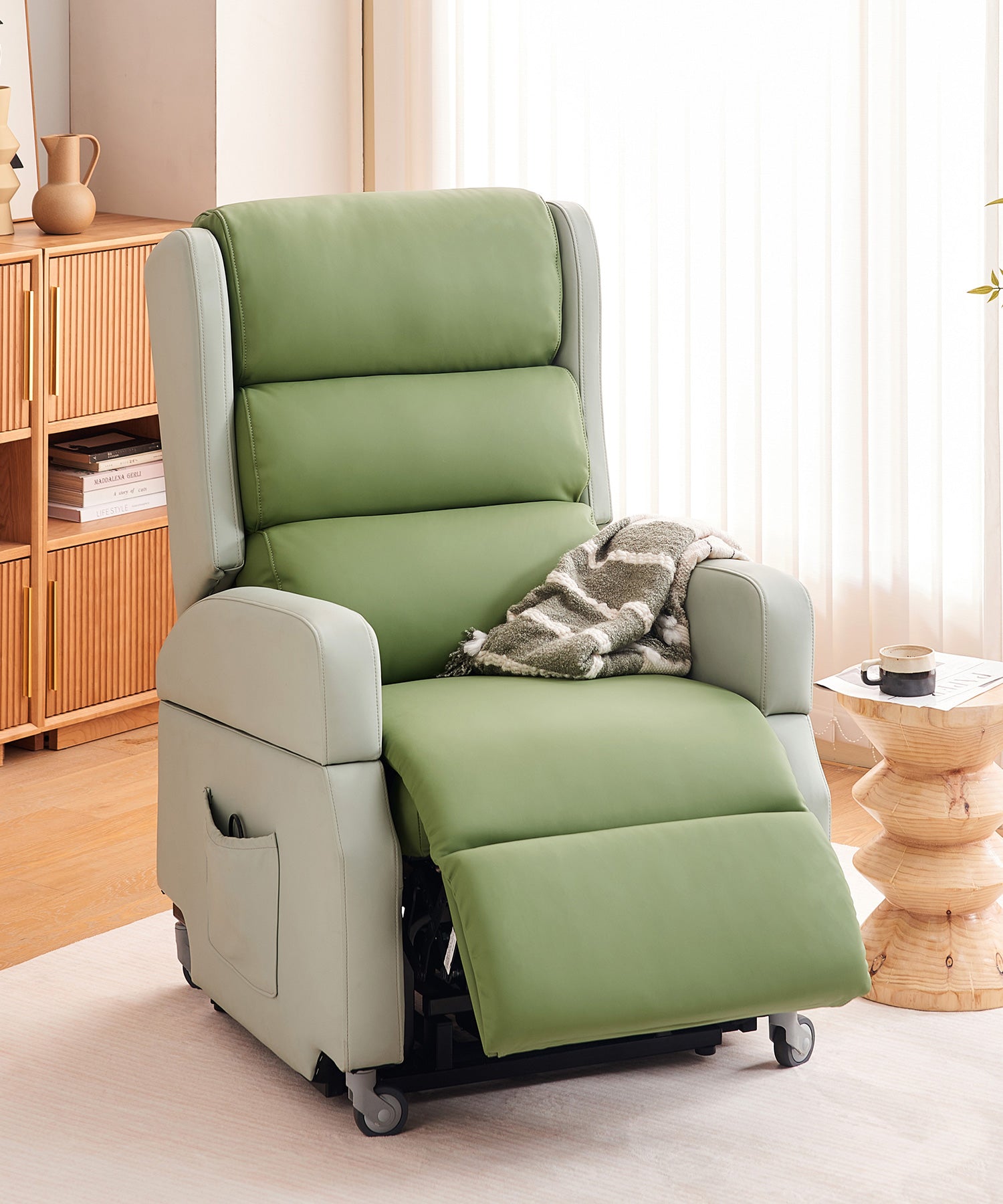
A sturdy chair with armrests provides a comfortable alternative to bed sitting. Choose a recliner with lumbar support if there's space.
Entertainment
Position a TV at eye level when seated in bed (about 120cm height). Use a wall mount to free floor space and reduce tripping hazards.
Technology Aids
Adjustable Bed with Remote Control
Modern adjustable beds feature large-button remotes or smartphone apps. Some include programmable positions (e.g., morning position for easy standing, sleep position for back support). The ALYA range offers reliable options with excellent features for elderly care.
Smart Home Integration
Voice-controlled devices (Alexa, Google Assistant) can control lights, adjust bed position, and make phone calls. This is invaluable for seniors with limited mobility.
Video Monitoring
If you don't live with your parent, a discreet camera allows you to check in. Ensure privacy is respected and your parent consents.
Fall Detection Devices
Wearable fall detection watches alert caregivers or emergency services if a fall is detected. This technology is improving rapidly and provides peace of mind.
Singapore-Specific Resources
Singapore offers several programs and subsidies for elderly home modifications:
Agency for Integrated Care (AIC)
The AIC manages subsidies for home modifications including grab bars, ramps, and railings. Eligible seniors (Pioneer and Merdeka Generation members receive higher subsidies) can apply through their GP or directly. Subsidy covers up to 85% of modification costs.
Pioneer and Merdeka Generation Benefits
These programs offer enhanced subsidies for healthcare and home modifications. If your parent qualifies, explore these benefits first.
Eldercare Centres
Many community centers (ACTIVE and SAGE centres) provide free consultations on home safety and can refer you to registered contractors.
HDB Housing
HDB offers schemes for elderly residents including the Lease Enhancement Programme and Housing & Development Upgrades. Some programs include subsidized safety upgrades.
Room Setup Checklist
Bed and Mattress
-
Bed height approximately 45cm (adjustable bed preferred)
-
Supportive, moisture-resistant mattress
-
Positioning allows access from one or both sides
-
At least 60cm clear space on exit side
Flooring
-
No loose rugs or cables
-
Non-slip mats in high-traffic areas
-
Clear pathways (minimum 75-90cm width
Lighting
-
Bedside lamp within arm's reach
-
Motion-activated night lights on pathway
-
Bathroom pathway lighting
-
Smart lighting system for voice control
Bathroom Access
-
Grab bars at toilet, shower, and tub
-
Non-slip mats in bathroom
-
Bedside commode for frequent nighttime needs
Safety Systems
-
Personal alarm button within reach
-
Phone on bedside table
-
Emergency contact list posted visibly
-
Medication organizer
Furniture
-
Bedside table at mattress height
-
Overbed table for meals and activities
-
Low-height clothing storage
-
Sturdy chair with armrests
-
TV mounted at eye level
Frequently Asked Questions
Q: How much does bedroom modification cost in Singapore?
A: Costs vary widely. Basic modifications (grab bars, non-slip mats) cost SGD 200-500. A full setup including adjustable bed ranges from SGD 1,500-5,500. The AIC subsidy covers 75-85% for eligible seniors, significantly reducing out-of-pocket costs.
Q: Is an adjustable bed worth the investment?
A: Yes, for seniors with mobility issues or chronic pain. Adjustable beds promote independence, improve sleep quality, and reduce caregiver strain. The 10-year warranty and free installation in Singapore make them a practical long-term investment.
Q: Can I modify a rental HDB flat?
A: Yes, most modifications are non-permanent. Grab bars can be installed with suction cups or temporary fasteners. Non-slip mats and night lights require no installation. Check your lease for any restrictions.
Q: How do I prevent falls at night?
A: Combine motion-activated lighting, a clear pathway, and a bedside commode for frequent bathroom users. Ensure your parent wears non-slip footwear and considers a fall detection device. An adjustable bed with the ability to lower gradually helps prevent dizziness when standing.
Q: What if my parent resists moving to an adjustable bed?
A: Let them try one before purchasing. Many elderly people initially resist change but quickly appreciate the comfort and independence. Emphasize benefits like easier sitting and pain relief rather than portraying it as a medical device.
Conclusion: Creating the Perfect Bedroom for Your Parent
A safe, well-designed bedroom is one of the best investments you can make for your elderly parent's health and independence. By addressing mobility, lighting, safety, and comfort systematically, you create an environment where they can age in place with confidence.
The cornerstone of a safe elderly bedroom is a quality adjustable bed paired with an appropriate mattress. Affairs Living's ALYA range offers versions to suit every need and budget, from the affordable Basic model (from SGD 804) to the premium Version X (from SGD 2,017). All come with 10-year warranties and free delivery and installation on orders over SGD 99.
For comprehensive elderly care solutions, explore Affairs Living's Elderly Care Bundle, which combines your adjustable bed with supporting products and accessories. Visit the ALYA collection to compare models and find the perfect fit for your parent's needs.


%0A%0A%0AClear%20pathways%20with%20no%20trip%20hazards%0A%0A%0AAdequate%20lighting%20including%20night%20lights%0A%0A...)