
How Often Should You Replace Your Mattress? Signs to Watch
Replace your mattress every 7–10 years on average. Replace sooner if you notice visible sagging, wake with aches and pains, sleep better in hotels, see or smell mold (common in Singapore's humidity), or hear noisy springs. Lifespan varies by type: latex mattresses last longest (12–20 years), while memory foam and innerspring typically last 7–10 years.
General Mattress Lifespan by Type
|
Mattress Type |
Expected Lifespan |
|
Innerspring (Budget) |
6–8 years |
|
Memory Foam |
8–10 years |
|
Latex |
12–20 years |
|
Hybrid (Spring + Foam) |
8–12 years |
|
Budget/Thin Mattresses |
3–5 years |
8 Signs It's Time to Replace
-
Visible Sagging – Body-shaped indentations that don't bounce back indicate the core is failing
-
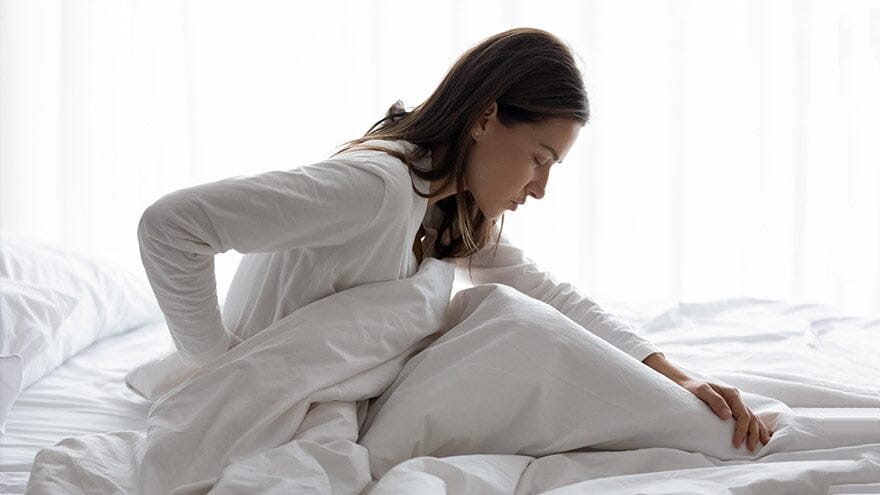
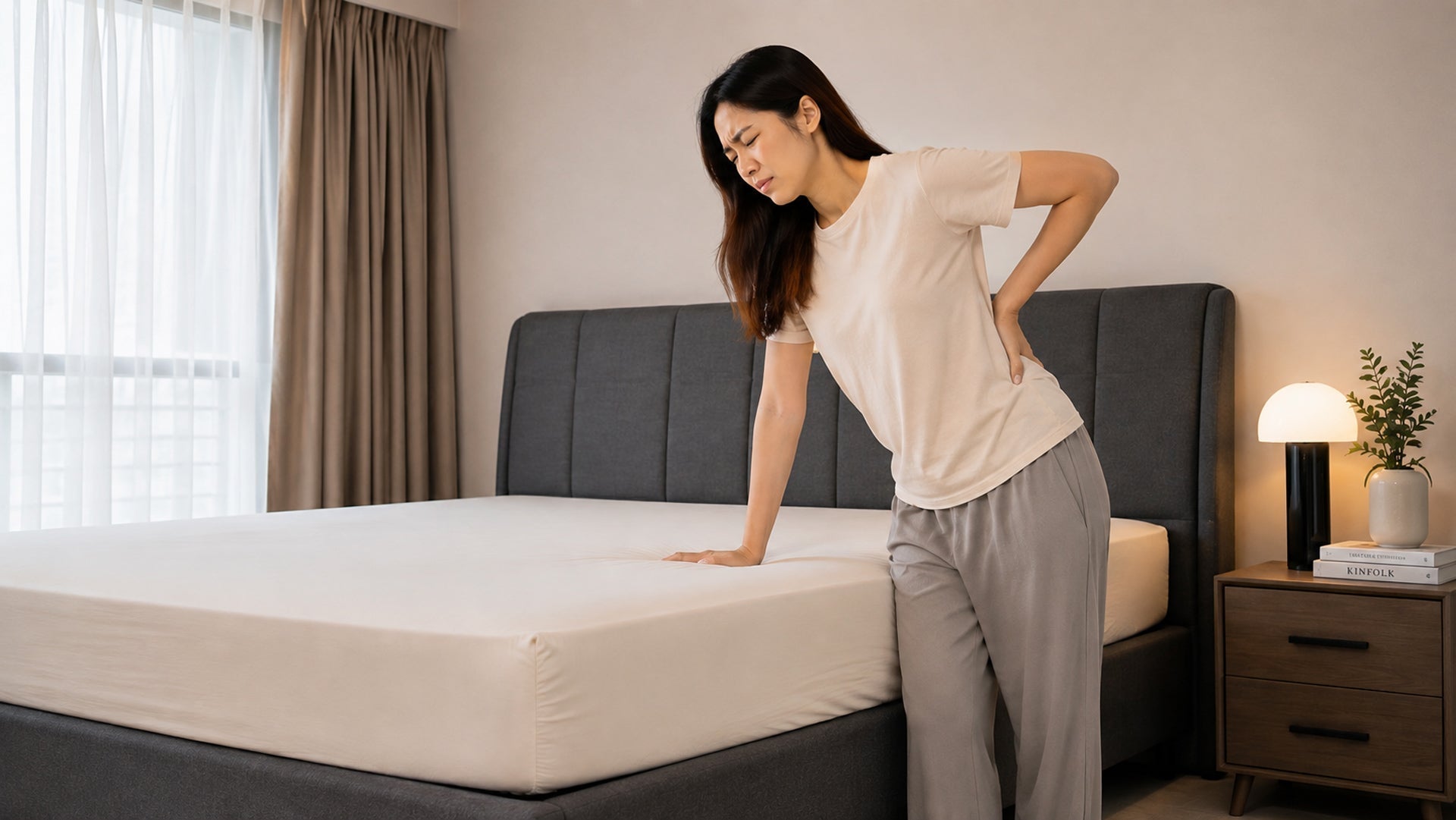
Waking with Pain or Stiffness – Morning aches in your back, neck, or joints signal the mattress isn't providing proper support
-
Sleeping Better Elsewhere – If you sleep better at hotels or friends' houses, your mattress has lost its comfort
-
Increased Allergies – Dust mites accumulate over time; replacement reduces allergens
-
Noisy Springs – Squeaking or creaking indicates internal damage
-
Mold or Mildew – Singapore's humidity can cause mold growth, a health hazard requiring immediate replacement
-
Mattress is Over 8 Years Old – Even if it seems fine, mattresses degrade internally after 7–10 years
-
Lifestyle Changes – New partner, significant weight change, or health condition may require different support
Factors That Shorten Mattress Life
-
Singapore's High Humidity – Moisture accelerates degradation and mold growth
-
No Mattress Protector – Spills, dust, and moisture reach the core more easily
-
Not Rotating Regularly – Uneven wear causes faster sagging
-
Poor Foundation or Bed Base – A weak base doesn't support the mattress properly
-
Heavier Body Weight – Extra weight accelerates compression and sagging
How to Extend Your Mattress Life
-
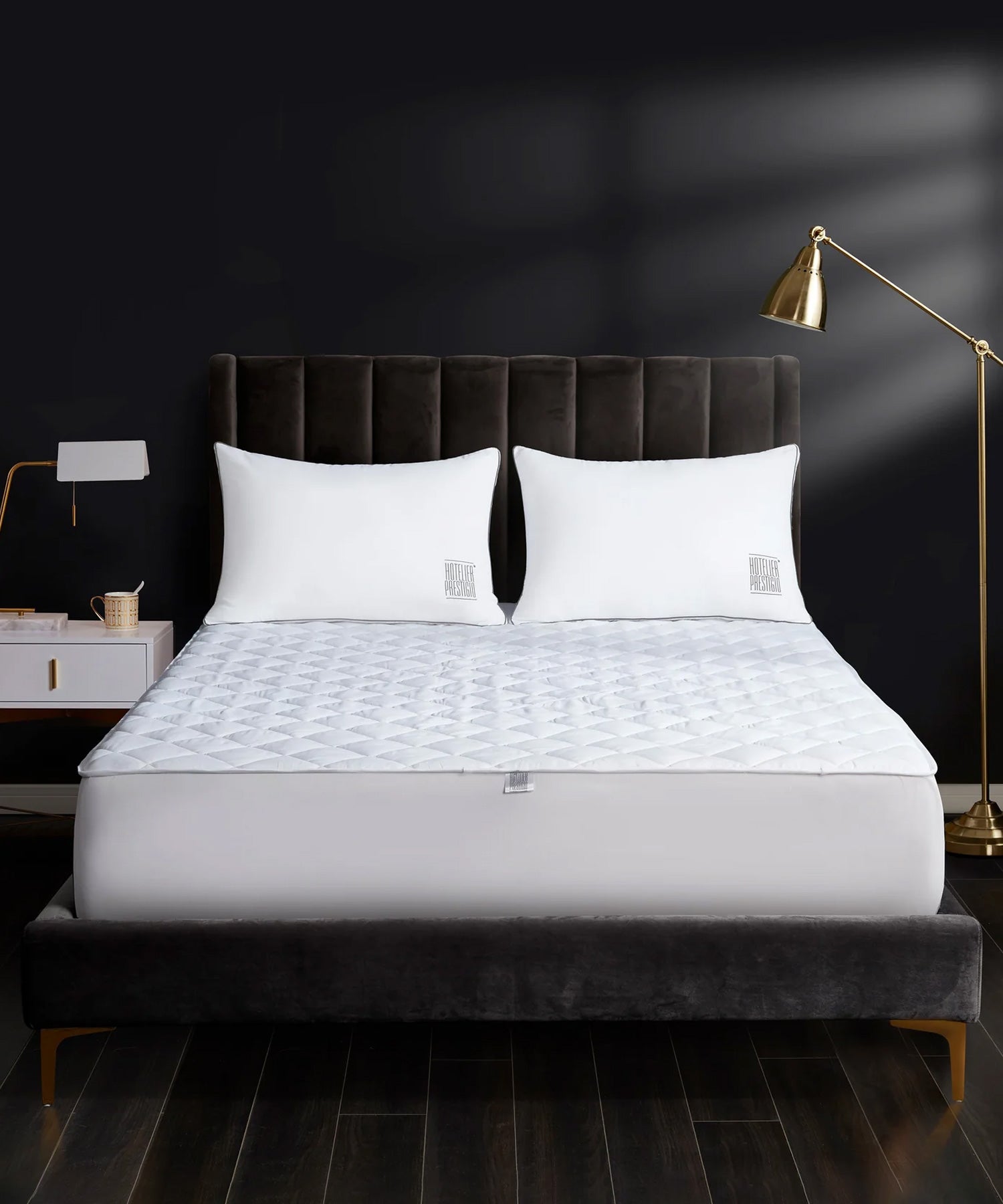
Use a Mattress Protector – Protects against spills, dust, and allergens, extending lifespan by 2–3 years
-
Rotate Every 3–6 Months – Reduces uneven wear and sagging in one spot
-
Proper Bed Base – Use a solid foundation or slatted base (within recommended spacing) for support
-
Mattress Topper – Absorbs wear and tear, potentially adding 3–5 years of usable life
-
Keep Bedroom Ventilated – Use a dehumidifier in Singapore's tropical climate to prevent mold
-
Spot Clean Promptly – Address spills immediately to prevent moisture damage
Can a Topper Buy You Time?
Yes, a quality mattress topper can extend your mattress life by 3–5 years by absorbing wear and providing a hygienic barrier. However, if your mattress has visible sagging, structural damage, or mold, a topper cannot fix these issues—replacement is necessary.
What to Do with Your Old Mattress in Singapore
-
Town Council Bulky Waste – Most HDB residents can arrange collection through their Town Council
-
Recycling Centers – NEA (National Environment Agency) lists recycling facilities across Singapore
-
Donation – Organizations like Salvation Army accept mattresses in good condition
-
Furniture Retailers – Many shops offer disposal/replacement services when you buy a new mattress
FAQ
Do I need to replace my mattress if it's still comfortable?
Even if your mattress feels comfortable, internal degradation occurs after 8 years. Consider a replacement for health and hygiene reasons, especially in Singapore's humid climate where mold risk increases.
Is 10 years too long to keep a mattress?
Yes. Most mattresses reach the end of their useful life by 10 years. Dust mite accumulation, mold risk, and loss of support make replacement advisable for health and sleep quality.
Can a mattress topper replace a new mattress?
A topper can improve comfort temporarily, but it cannot fix sagging, broken springs, or structural damage. If your mattress is truly failing, replacement is the better long-term solution.
Why do mattresses wear out faster in Singapore?
Singapore's high humidity accelerates mattress degradation. Moisture promotes dust mite growth, mold, and foam/spring deterioration. Using a dehumidifier and mattress protector helps.
Conclusion
Most mattresses need replacement every 7–10 years, though lifespan varies by type and care. Watch for sagging, pain, and mold—common signs it's time for a change. In Singapore's tropical climate, humidity is your mattress's enemy, making protective measures and timely replacement essential for health and sleep quality.
Ready for a new mattress? Affairs Living offers quality options for every budget and preference:
-
Budget-Friendly: MattX® Ortho Mattress – from $484.40
-
Premium Option: Anssil Smart Line Mattress – from $2,750.46
All Affairs Living mattresses come with free delivery and installation across Singapore. Browse our full collection and find the right replacement today.